

Chongqing Deepens ASEAN Connections as Singapore Joins “The Great Way” Regional Initiative
Intelligent mobility, technology and cross-border connectivity emerge as new pillars of China–ASEAN cooperation


(Singapore, 27 September 2026) As China and Southeast Asia deepen cooperation in technology, intelligent mobility and cross-border trade, Chongqing is expanding its engagement with ASEAN through “The Great Way” (《大道》), a multinational reporting and research initiative spanning Singapore, Thailand, Malaysia and other ASEAN markets.
Launched by Chongqing Broadcasting Group · THE FIRST SIGHT TV - to mark the fifth anniversary of the China–ASEAN Comprehensive Strategic Partnership, the initiative seeks to document how industrial cooperation, connectivity, standards and people-to-people exchanges are reshaping relations between China and Southeast Asia.

Five reporting teams have departed Chongqing for destinations including Singapore, Thailand and Malaysia, exploring developments along the New International Land-Sea Trade Corridor and the broader networks connecting western China with Southeast Asia.
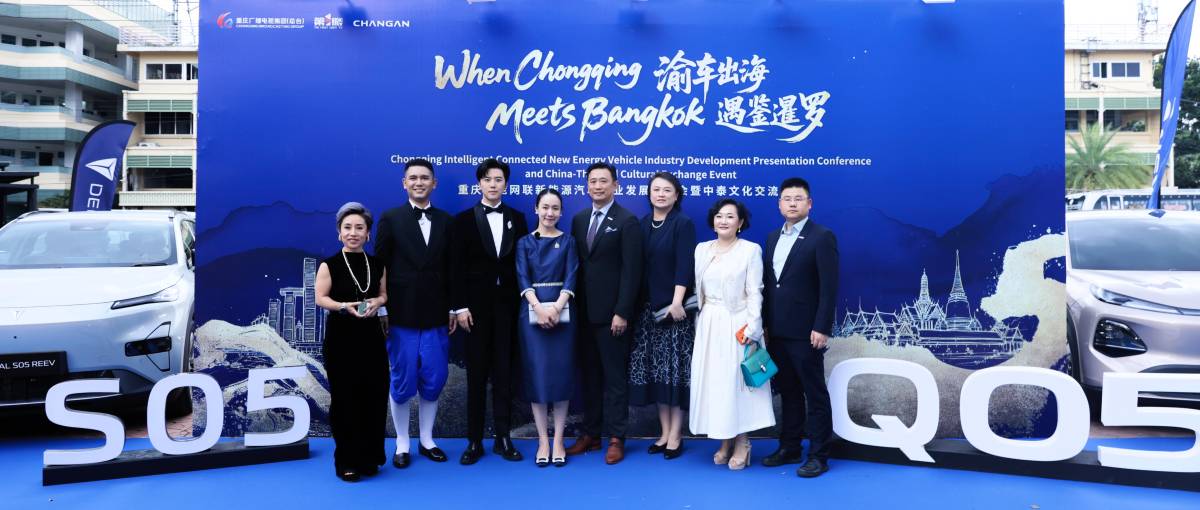
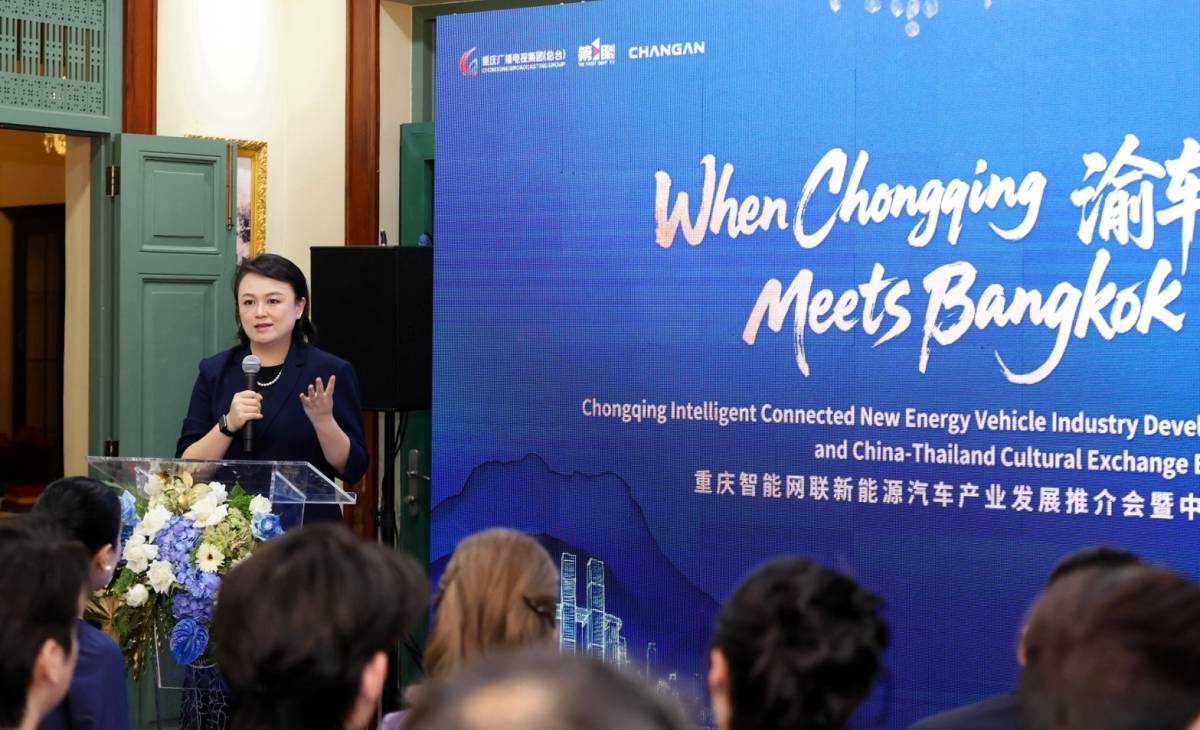
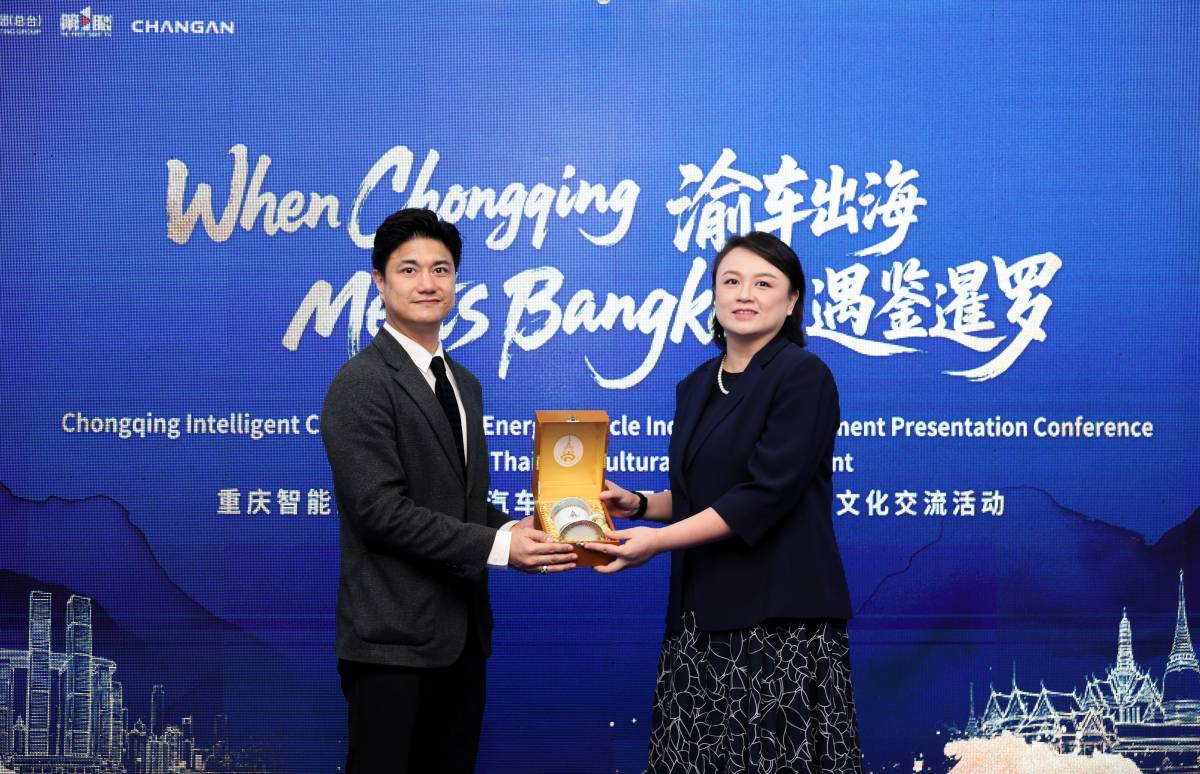
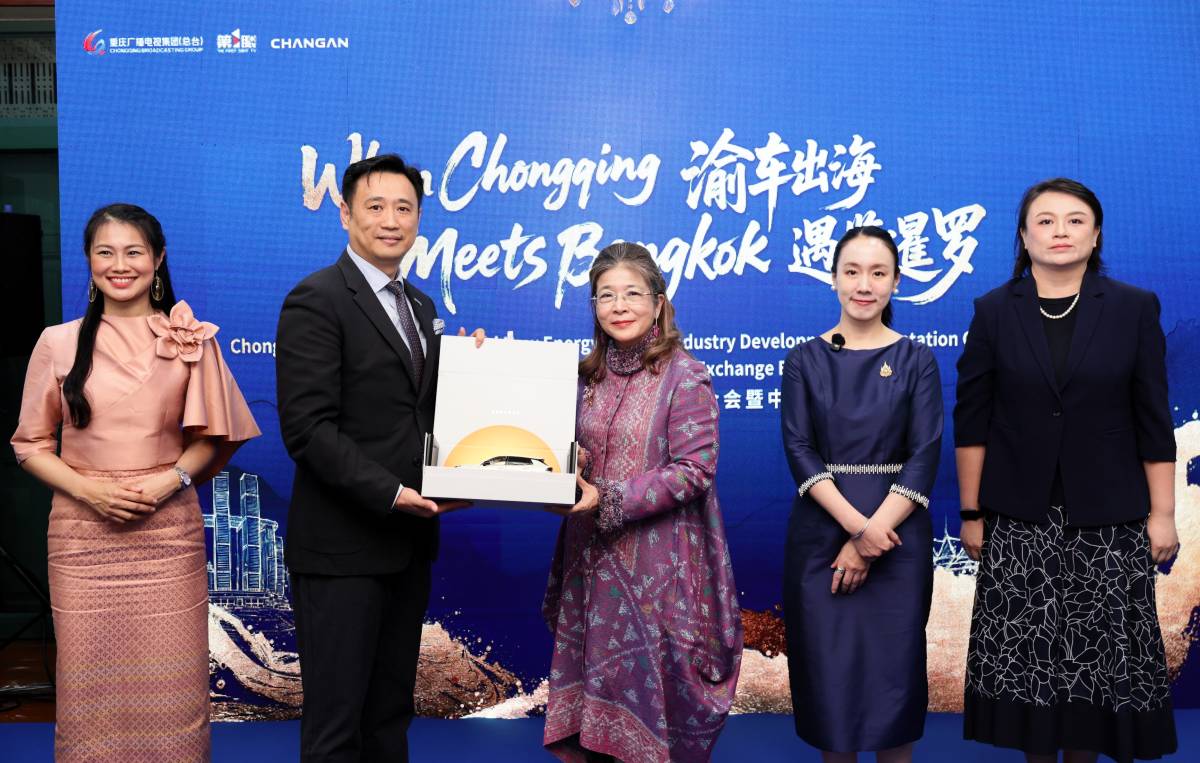
The initiative began in Bangkok on 21 September with “When Chongqing Meets Bangkok” (渝车出海·遇鉴暹罗), an event bringing together more than 100 representatives from government, business, industry, culture and media.
While Bangkok served as the first destination, the programme forms part of a wider ASEAN journey examining how cities and economies across the region are becoming increasingly connected through trade, technology, manufacturing and cultural exchange.

From Chongqing to Southeast Asia
Located in central and western China, Chongqing has developed into an important centre for manufacturing, logistics and technology.
The city has accelerated the development of its intelligent connected new energy vehicle industry, with the ambition of building an internationally influential ecosystem for intelligent mobility.
This transformation is increasingly extending beyond China.
Changan Automobile, headquartered in Chongqing, entered Thailand in 2023 and subsequently established its first overseas new energy vehicle manufacturing base in Rayong Province.
Production commenced in 2025, with the facility positioned not only to serve Thailand but also to support manufacturing and exports to other ASEAN markets and the wider region.

At the Bangkok event, Chris Wu, Vice President of Changan Auto Sales (Thailand) Co., Ltd., highlighted the technological capabilities of Chinese automakers in responding to ASEAN consumer needs and the importance of market-oriented product development.
The development reflects a broader shift in China–ASEAN economic ties, as cooperation increasingly moves beyond the exchange of finished products towards deeper integration involving technology, manufacturing, supply chains and regional markets.
Singapore's Role in an Increasingly Connected ASEAN
For Singapore, these developments are relevant within the broader evolution of ASEAN's economic and technology landscape.
As a regional centre for trade, finance, logistics, technology and corporate headquarters, Singapore plays an important role in connecting businesses operating across Southeast Asia and international markets.
The growth of intelligent mobility and new energy vehicles across ASEAN is also creating a wider ecosystem extending beyond vehicle manufacturing itself.
Digital infrastructure, artificial intelligence, mobility solutions, financing, logistics, charging infrastructure, data, software and cross-border services are becoming increasingly interconnected as the automotive industry undergoes technological transformation.
This creates a broader regional conversation around how markets such as Singapore can participate in and contribute to the next generation of mobility and China–ASEAN economic cooperation.

“The Great Way” Comes to Singapore
Singapore is among the destinations included in “The Great Way”, THE FIRST SIGHT TV's multinational reporting and research initiative examining connectivity and cooperation between China and ASEAN.
Rather than looking at China–ASEAN relations solely through bilateral trade, the initiative explores how different ASEAN economies contribute distinct capabilities to an increasingly integrated regional ecosystem.
The reporting teams will document areas including industrial cooperation, mutual recognition of standards and people-to-people exchanges among economies connected through the New International Land-Sea Trade Corridor.
The corridor provides an important connection between western China and international markets, creating new possibilities for trade and economic interaction between Chongqing and Southeast Asia.
Singapore's inclusion in the initiative reflects the city-state's place within this wider network of regional connectivity and provides an opportunity to examine how Singapore's strengths in international business, innovation and connectivity intersect with Chongqing's growing industrial and technological capabilities.
Beyond Automobiles: Technology as a New Connector
The Bangkok event demonstrated how the automotive sector is becoming a wider platform for technological and economic cooperation.
As vehicles become increasingly electrified, intelligent and connected, the industry is converging with information and communications technology, digital services and new energy ecosystems.
This convergence creates opportunities for cooperation extending well beyond traditional automotive manufacturing.
During “When Chongqing Meets Bangkok”, participants explored how “ Chongqing Intelligence” and “Manufacturing in Thailand” could combine to serve the broader ASEAN market.
Seen from a regional perspective, the model illustrates how different ASEAN economies can play complementary roles within emerging technology and industrial ecosystems.
Manufacturing may take place in one market, technology and services may originate from another, while financing, logistics, digital infrastructure and regional business functions can connect them across borders.

Culture Complements Economic Connectivity
“The Great Way” also places people-to-people and cultural exchanges alongside industrial cooperation.
At the Bangkok event, six Thai artists and actors — Ford Thitipong Sengngai, Cooper Patpasit Na Songkhla, Tee Thanapon Jarujitranon, First Chalongrat Novsamrong, Atom Aphichaya Kamnoetsirikun and Sun Thanaphat Pureesawad — received honorary plaques recognising their contributions to Thailand–China cultural exchange.
The programme also featured “Opportunities in Chongqing”, a promotional film introducing Chongqing's development and opportunities for international cooperation.
These elements underline a wider objective of the initiative: to examine China–ASEAN connectivity not only through infrastructure, trade and industry, but also through media, culture and interaction between people.
A Broader China–ASEAN Story
2026 marks the fifth anniversary of the China–ASEAN Comprehensive Strategic Partnership.
Against this backdrop, “The Great Way” aims to document how relations between China and ASEAN are evolving from conventional trade and tourism towards more multidimensional cooperation involving industry, technology, connectivity, media and culture.
Bangkok represents the beginning of that journey.
As the initiative continues through Singapore, Malaysia and other ASEAN destinations, it will explore the different roles that individual markets can play within an increasingly connected regional economy.
For Chongqing, this represents an opportunity to connect its strengths in advanced manufacturing, intelligent mobility and logistics with Southeast Asia.
For ASEAN, it provides another perspective on how the region's diverse economies can participate in the next stage of China–ASEAN economic and technological cooperation.

ORDER HERE: fcowanmedia@gmail.com : Or go to Amazon: The Orange Sofa: Unicorn Eyes: Walking Home: Singapore Circuit Breaker. Zero Visibility - The Rescue of the Thai Football Team trapped in the cave in Northern Thailand