

Visiting Fatt Choi, in the Coffee Capital of Sabah
The Murut Cultural Centre Preserves History and Culture






(Sabah, Malaysia April 2026) Sabah is well-known for Mount Kinabalu, for its orangutans, the Turtle Islands Park and for its world class diving at Sipadan. What is less known is its coffee-growing region around the southern town of Tenom. Tenom has been dubbed the Coffee Capital of Sabah.
My exploration of the Malaysian state (once known as British North Borneo) continued with Hisyam Azmi, Marketing Manager at Sabah Trade & Tourism Office Singapore (STTOS) and Satnoheadsot (Sat) our local guide. Both have extensive knowledge of the region. We had spent the morning at Sabah Agriculture Park (read the story here) and then Roslan, our driver, set course back to Tenom and to Fatt Choi Sdn Bhd a local coffee producer.



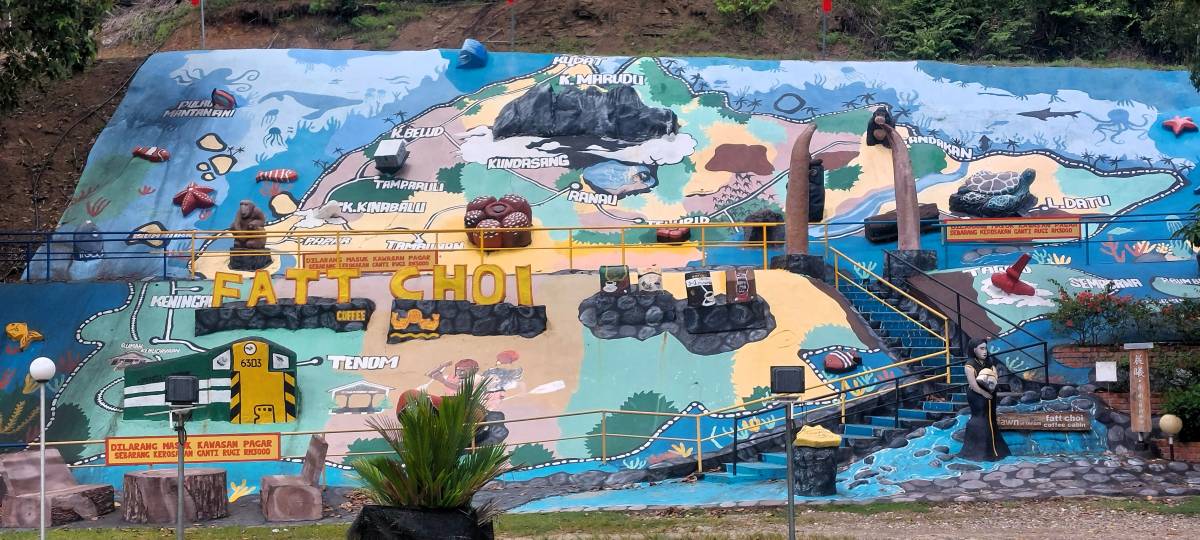
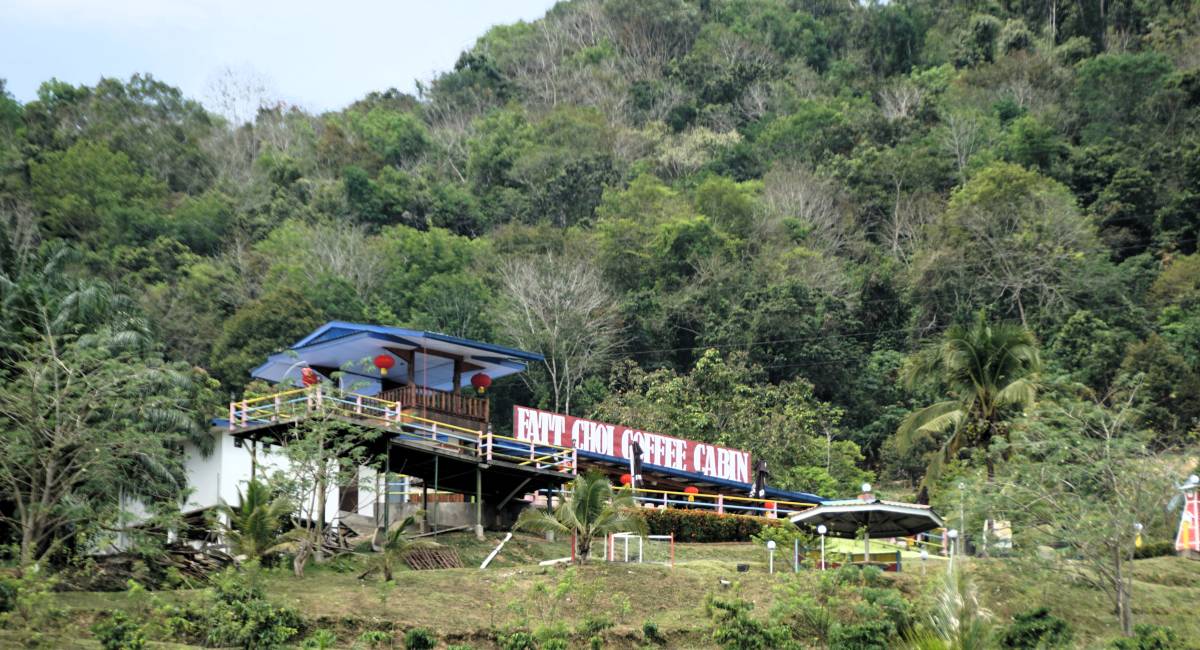
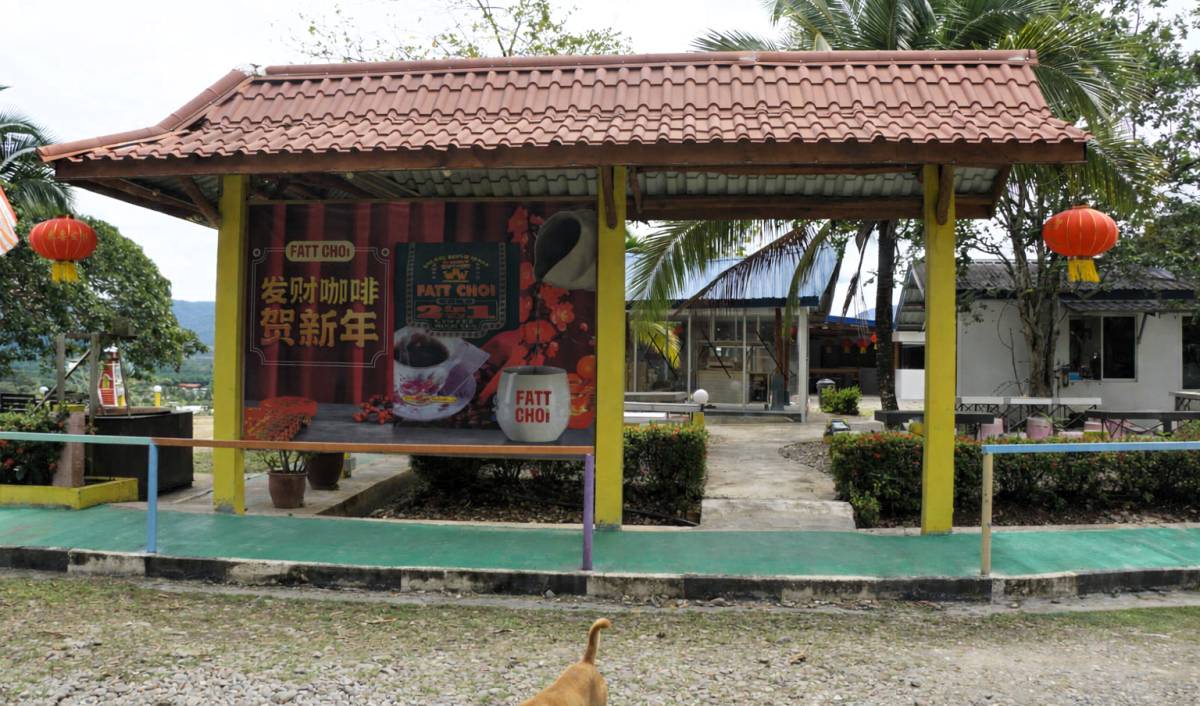
Located just outside Tenom town centre, in a magnificent location on a hill looking towards the Padas River, is Fatt Choi’s Coffee Factory, Hilltop café and accommodation.
Mr. Foong Choon Sang, a beverage distributor, decided to move into coffee production in 1983. Fatt Choi Sdn Bhd, started roasting and grinding coffee and then expanded the company into other activities.
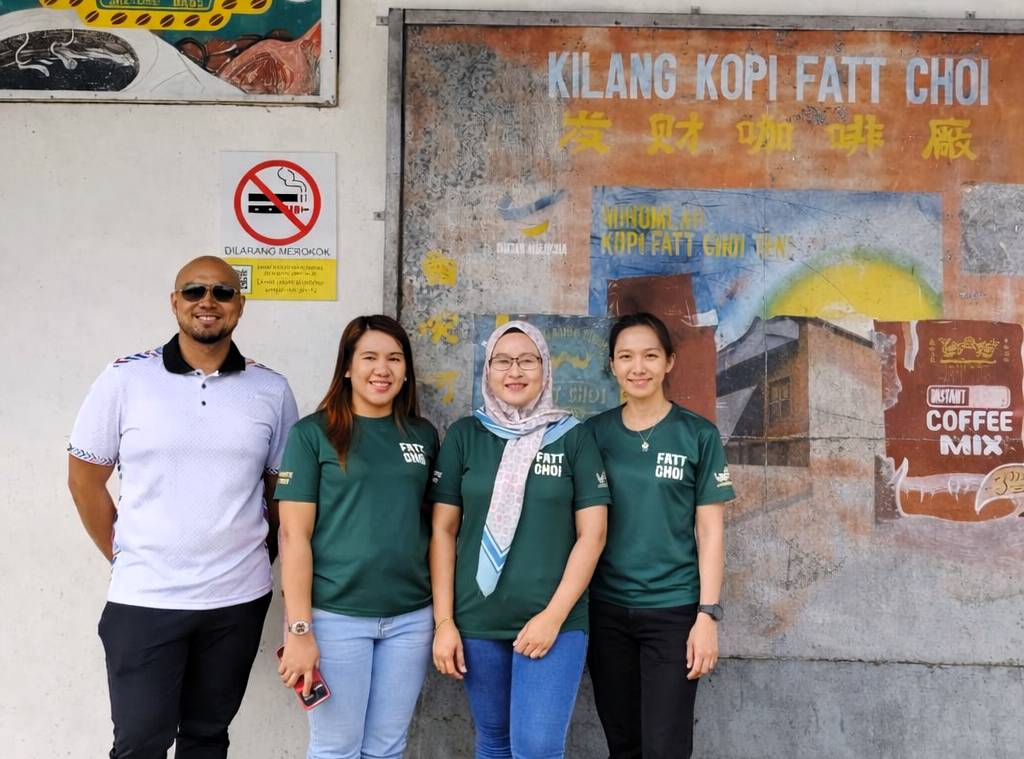
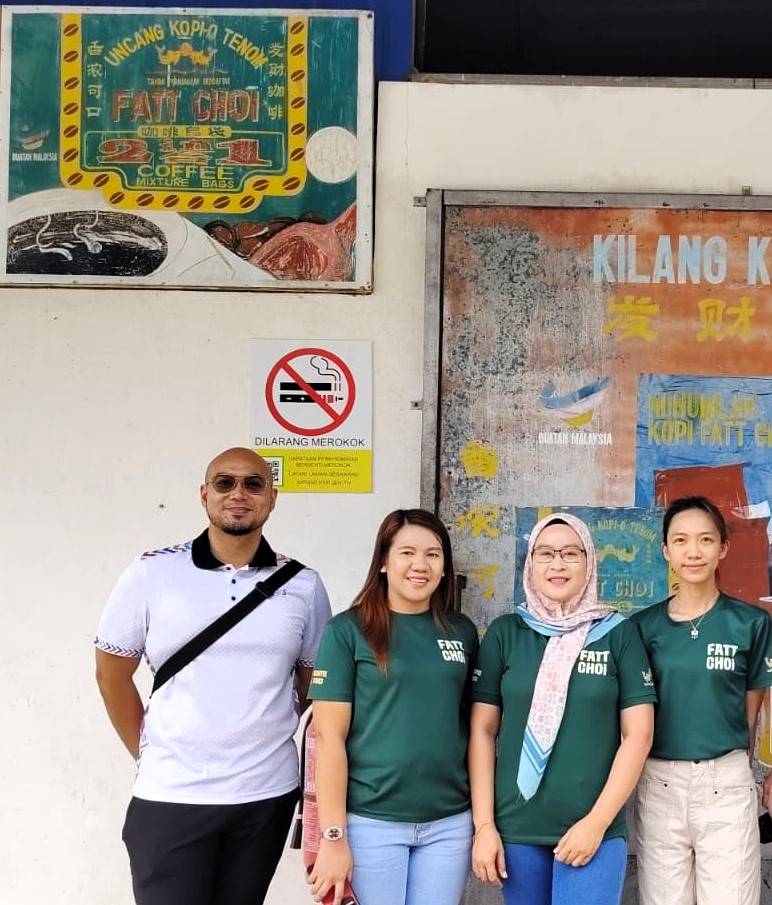
We were greeted outside the coffee factory by three charming ladies, Zila, Neth, and Yi Suen (pictured with Hisyam) who gave us a tour of the factory. The company uses local beans bought from local growers in the immediate area, beans it grows on its own property and beans are bought from producers in Indonesia. All robusta.


Distribution is only local. “We want to keep the distribution under our control,” says Zila. “If something goes wrong, we want to be able to correct the problem and make any restitution if needed. If someone else is involved in the distribution we would not have any control over it. It is our reputation that we want to protect.”
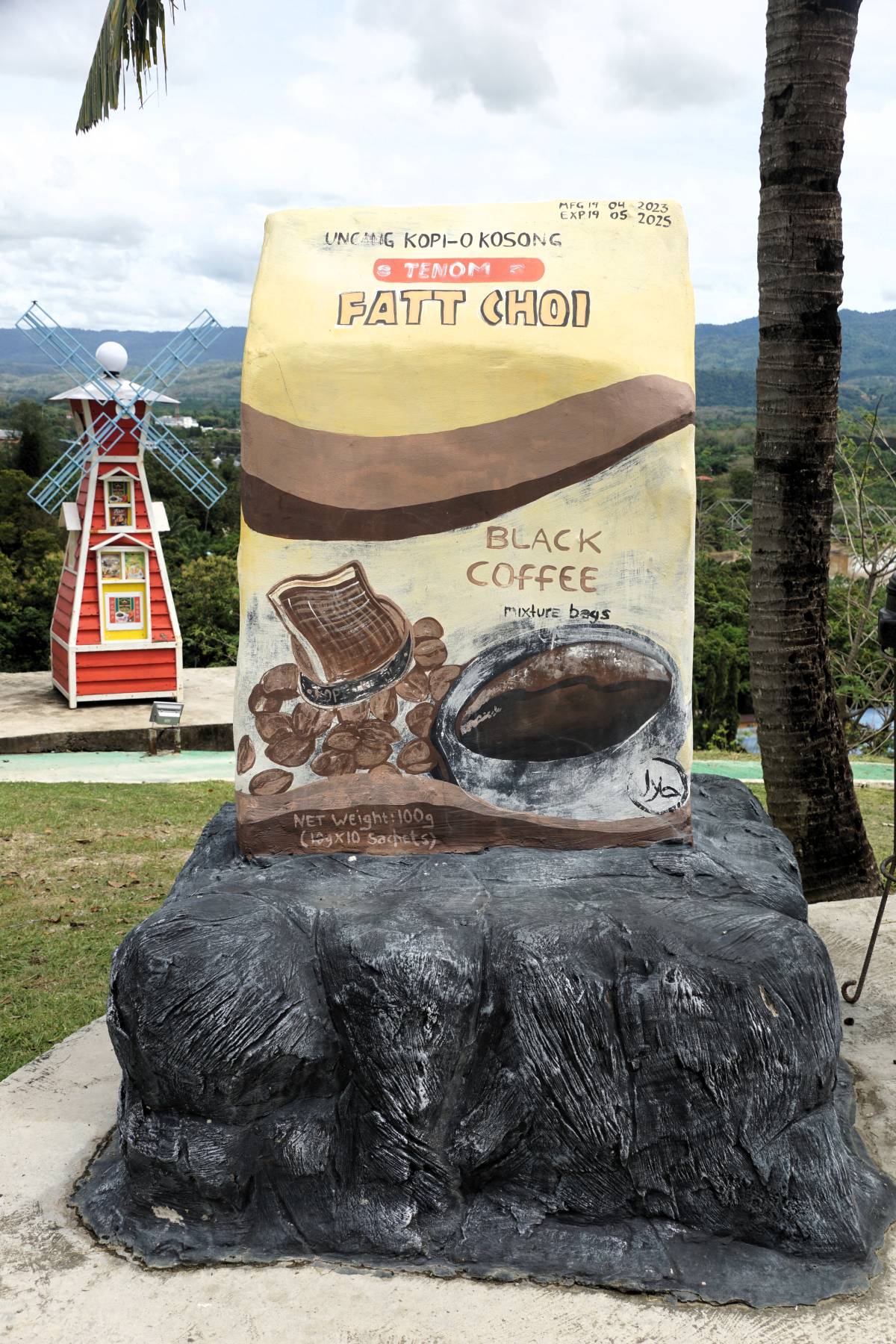
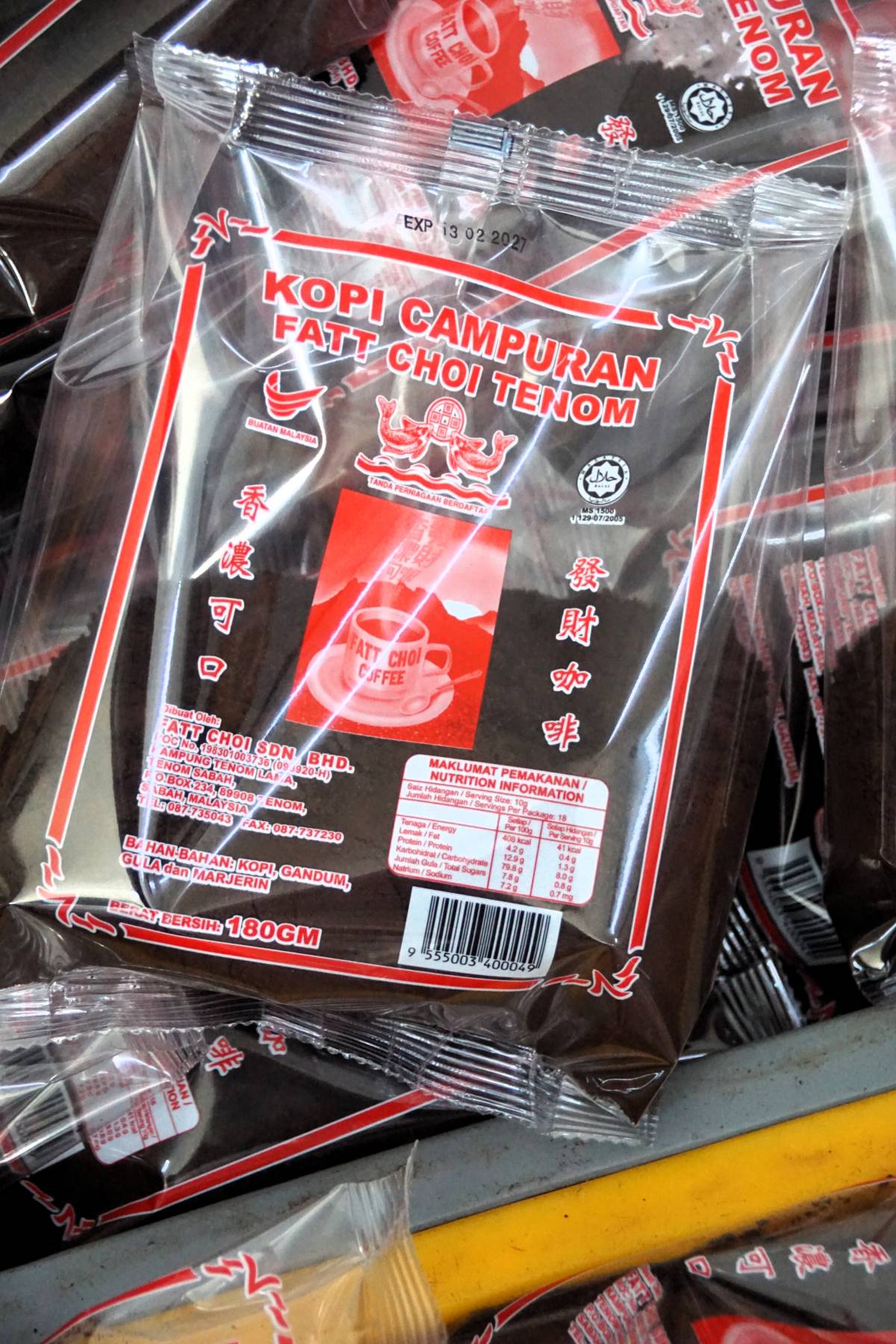
Fatt Choi’s first product is now a local favorite. “KOPI-O, quickly became a staple in homes and shops across Sabah. In 1997, we branched out with instant coffee blends. From there, we continued adding to our range, with everything from Tenom White Coffee to sugar-free KOPI-O, making sure there was a cup for every taste.


“A few years later, we expanded with the Coffee Cabin, a hilltop retreat in Tenom, and TFC Coffee, a café for locals and visitors. In 2019, we launched the “Coffee Experience Tour,” offering a firsthand look at the art of coffee-making.”
We could not take pictures inside the factory, but what you see during the tour are the roaster and the grinder that reduces the beans to powder. A popular brew is Big Red that has wheat included in the mix. The products are then moved to the packaging area and then they are ready for distribution. Of their 30 products you can find 10 - 12 in supermarkets throughout the state. The rest are distributed directly to clients.
We drove up the hill and walked around the grounds, taking in the sweeping views.
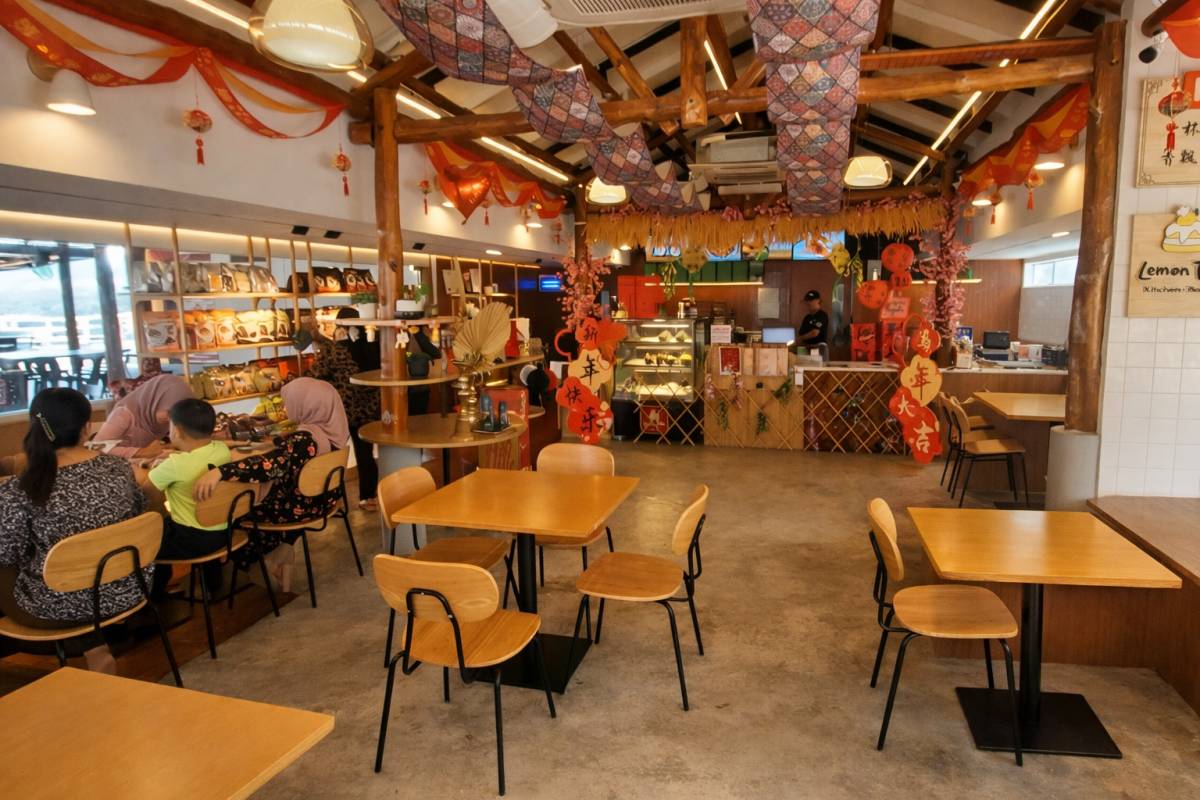
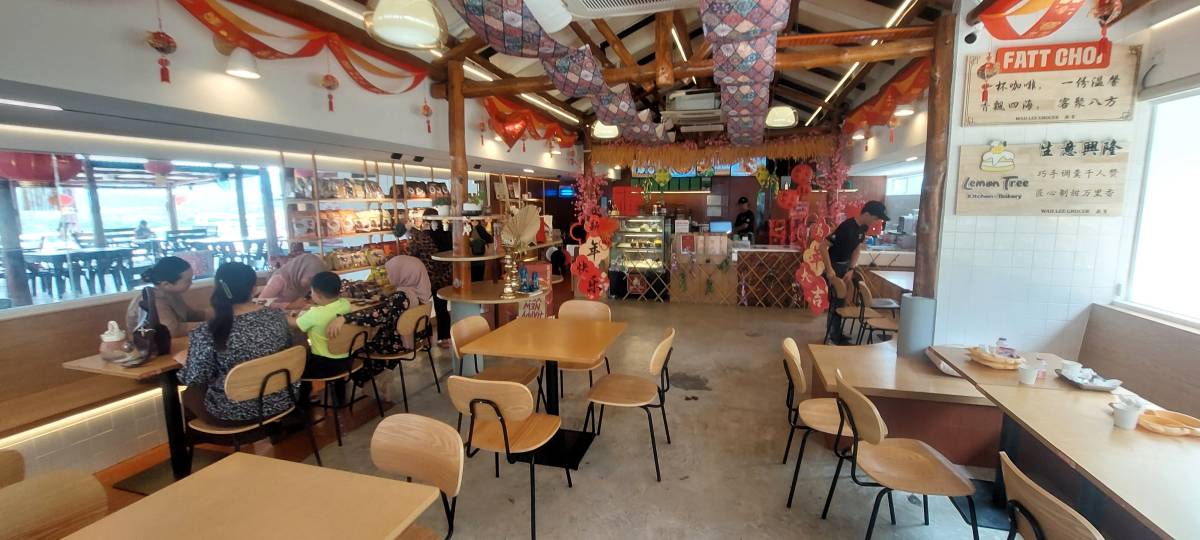
The Lemon Tree menu is extensive with local and international dishes. You might be enticed by the Hainanese Toast or the Purple Yam. I went for the 7 Chinese Herbal Chicken with Rice. It was very good and worth the wait.


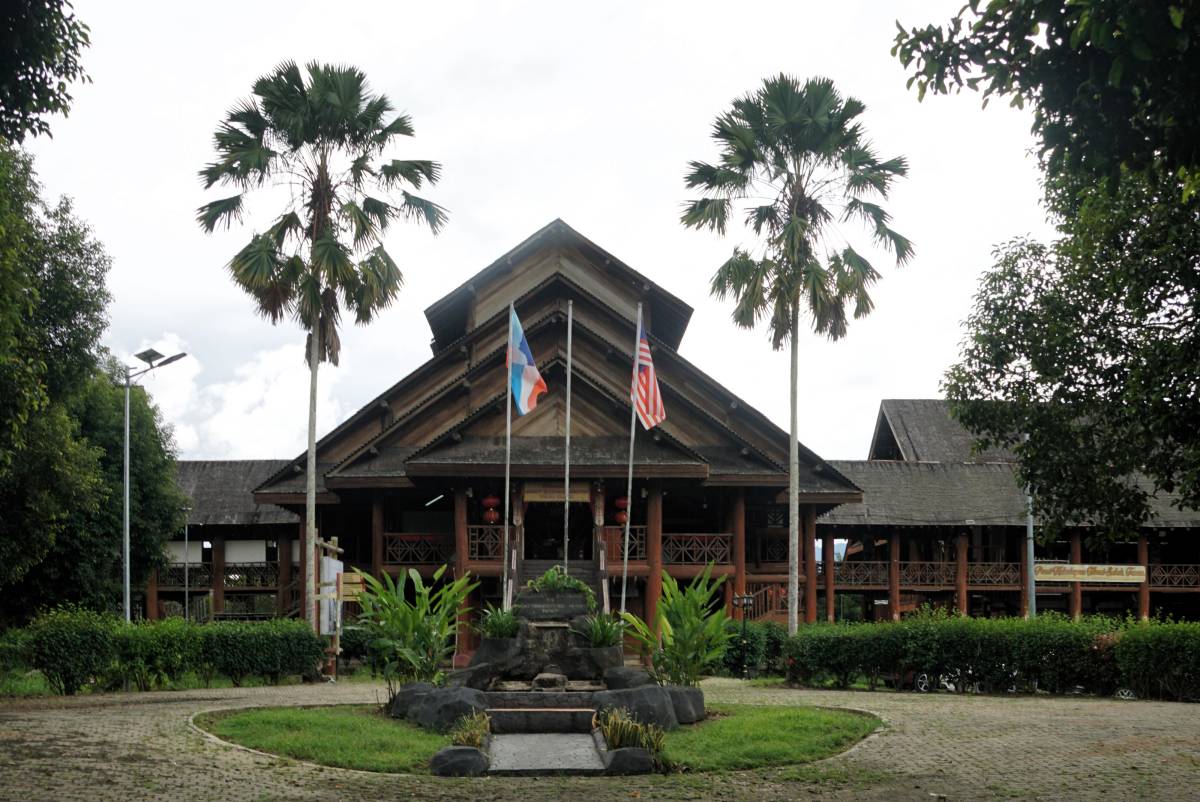
We departed Fatt Choi and Roslan told us it was only a 15 or 20 minute drive to the Murut Cultural Centre which is on 33 acres near the Pegalan River. When we arrived Norlin was waiting to greet us. The Murut (hill people) are an indigenous group in Borneo, primarily inhabiting the interior, southwestern parts of Sabah, Malaysia, with communities in Sarawak, Brunei, and Kalimantan. Known as the last tribe in Sabah to renounce headhunting, they are traditionally skilled hunters, fishermen and shifting cultivators of rice and tapioca. They were active in anti‑colonial uprisings against the British.


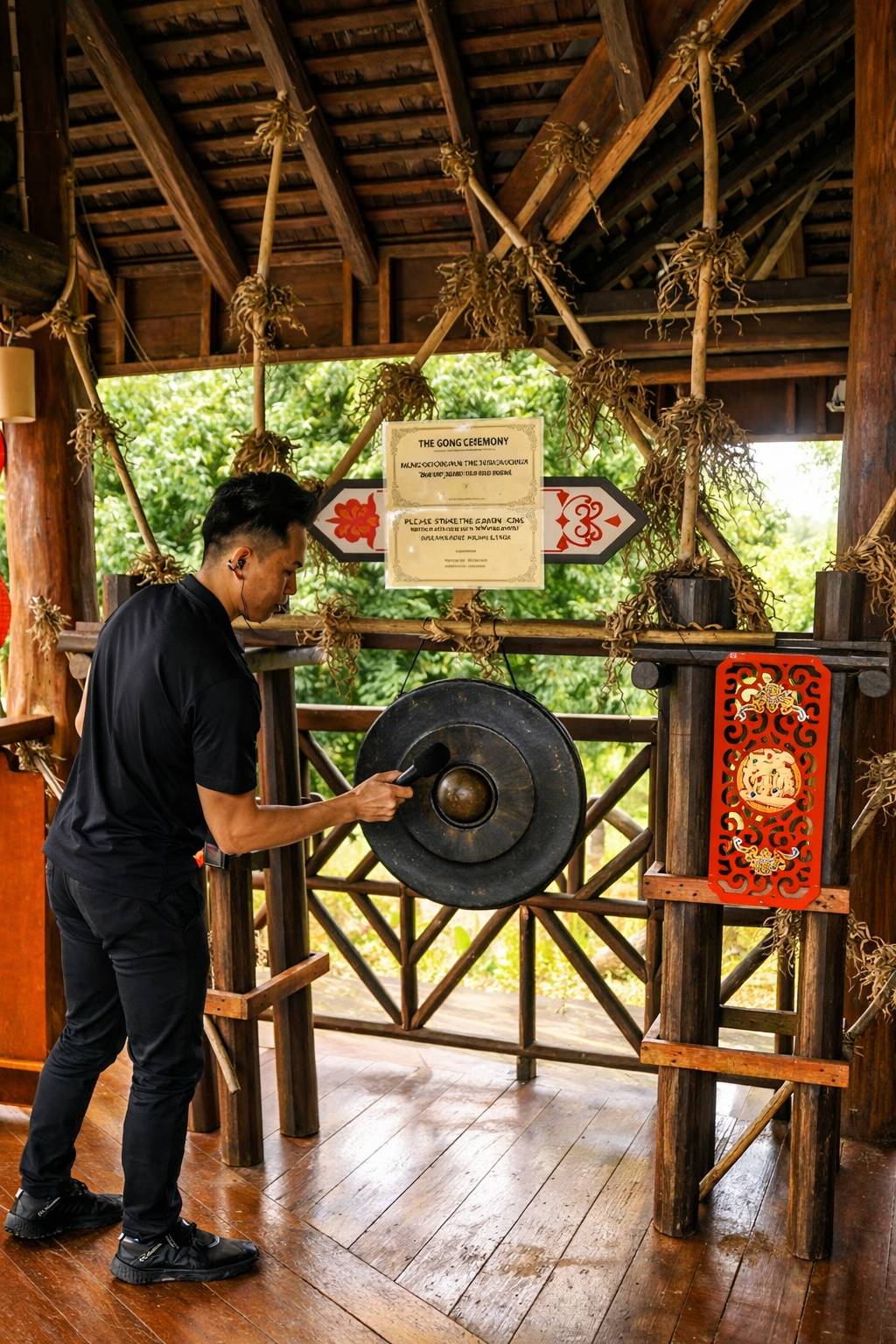
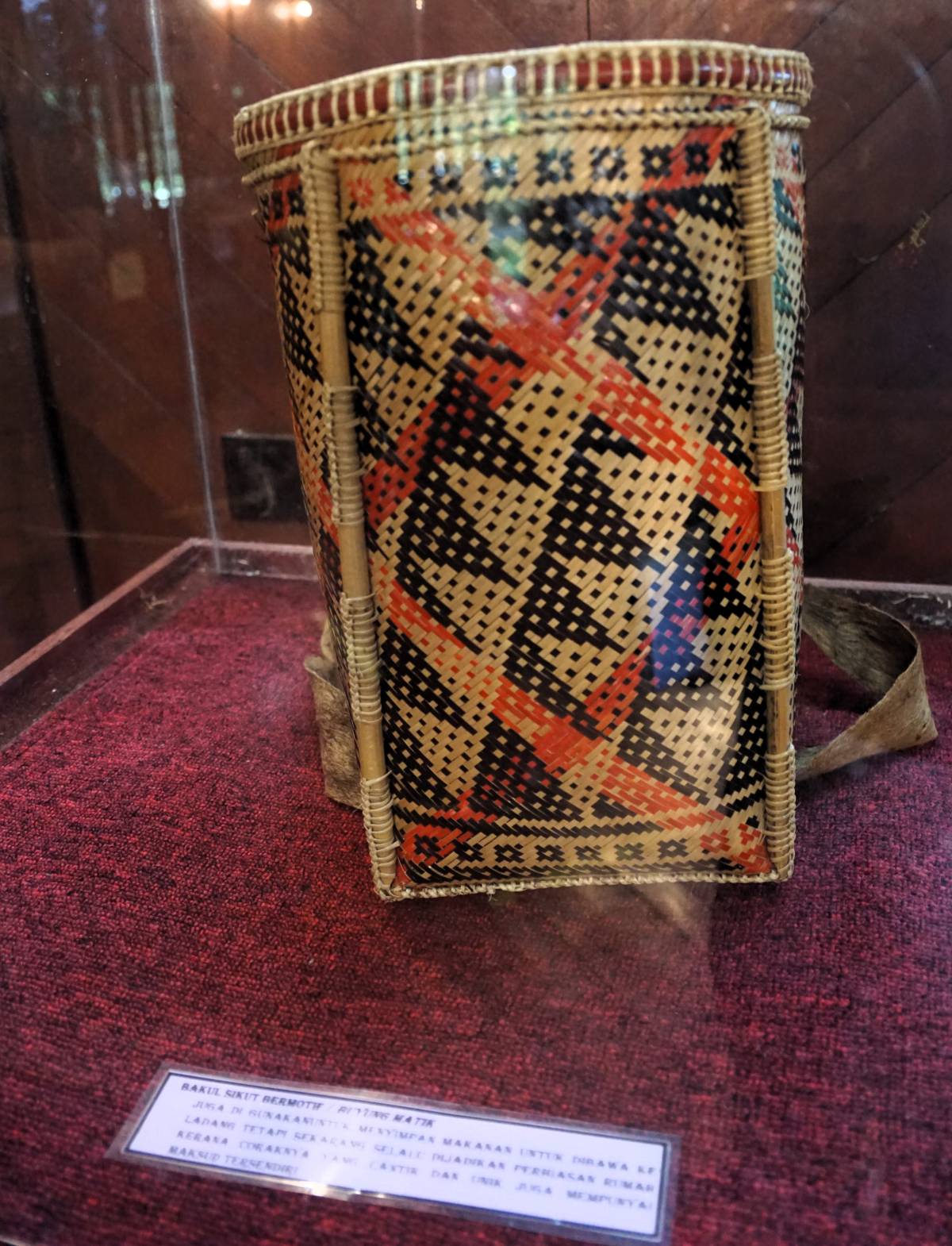
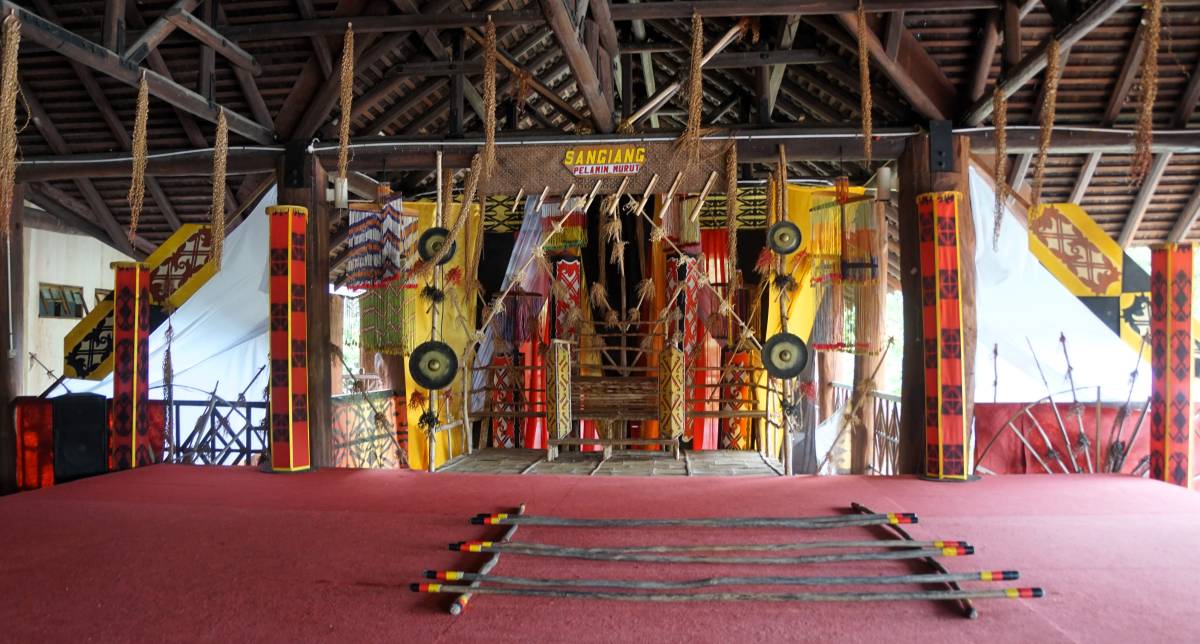
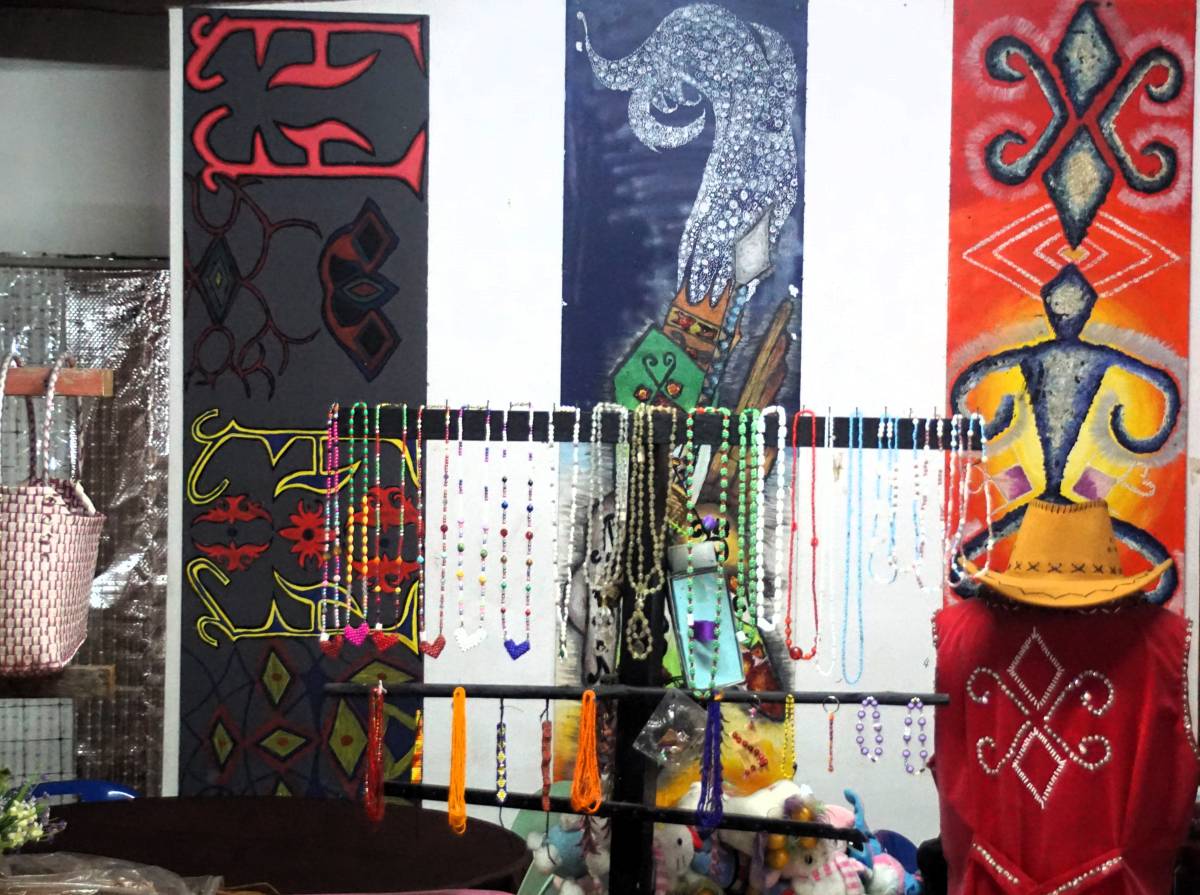
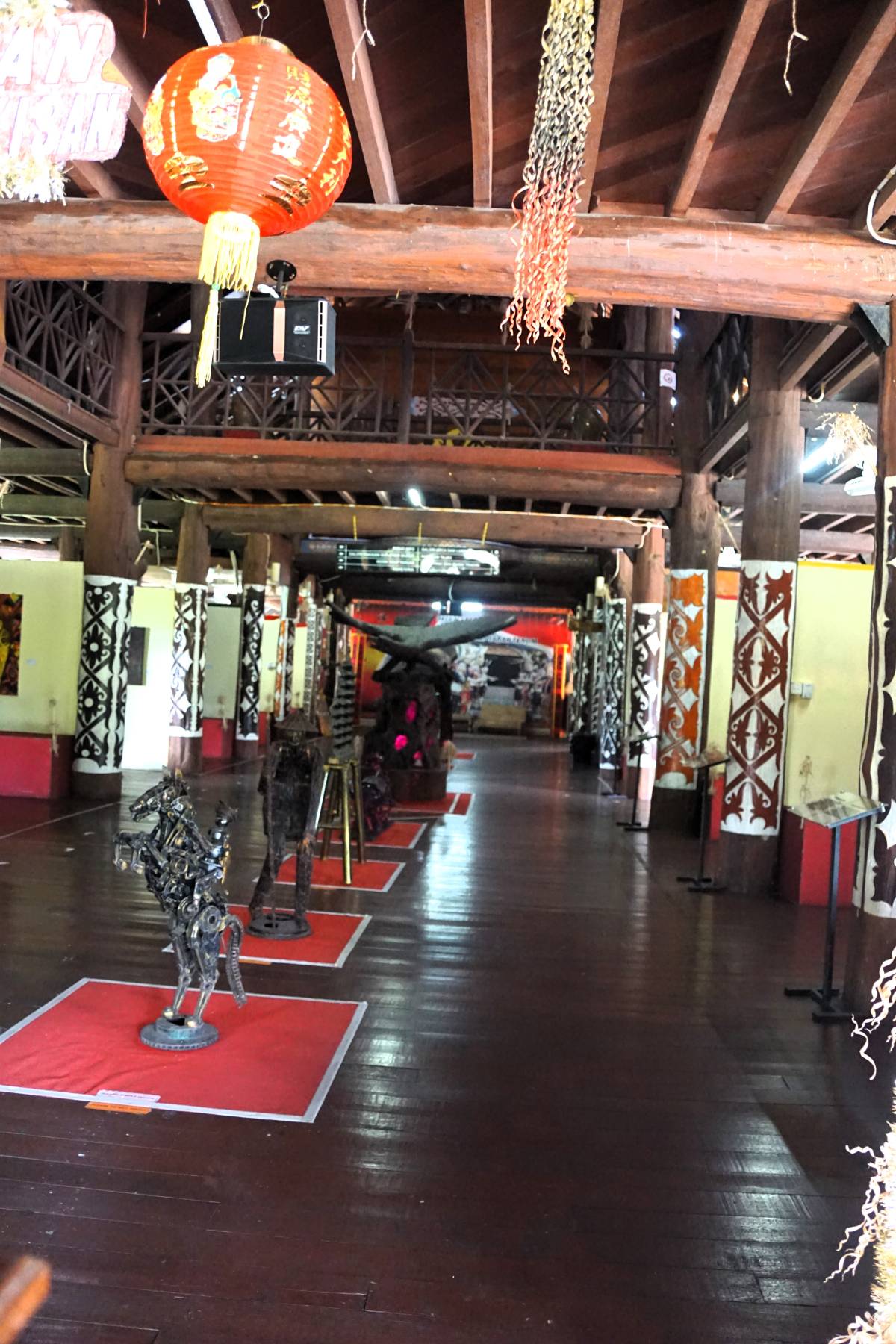
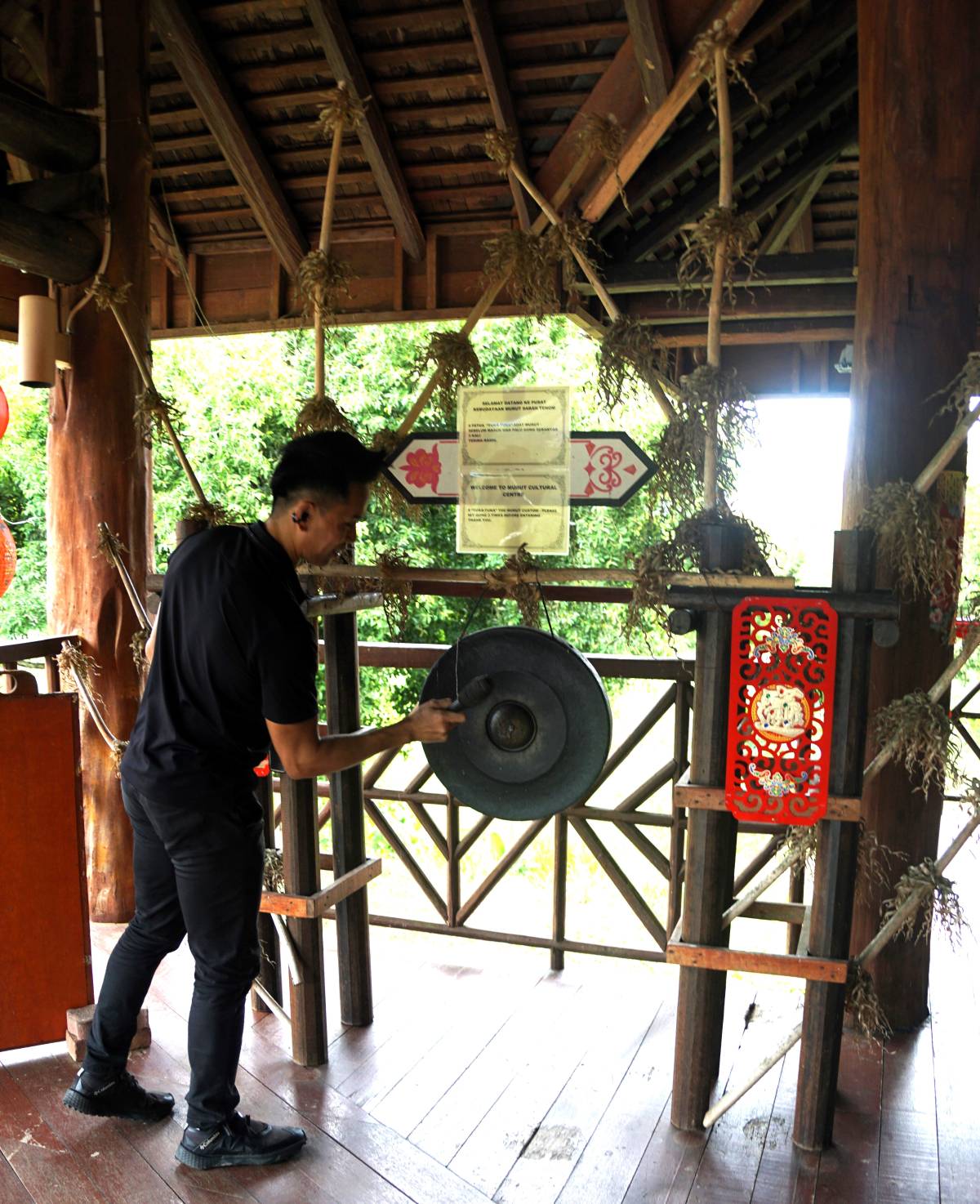
Before entering the main building, we struck a gong three times. Norlin explained that was to clean out any spirits that might be hanging about. I think it worked as I didn’t see any spirits when we wandered through the impressively large Centre. It is made mostly of belian, or iron wood – as hard as the name implies. The traditional Murut village architecture with 207 pillars enhances the setting of the displays of the many artefacts such as jars, gongs, artwork and designs. Check out the chiselled carvings on the pillars and panels.



If you want to demonstrate your jumping skills, you can show them off on the traditional wooden trampoline, known as Lansaran (above right). If you’d just rather watch, Murut traditional bamboo dances such as the Magunatip and Magalang are performed at 10:00am, 12:00pm or 2:00pm every Saturday and Sunday. They are skilled in using blowpipes and visitors will most likely have the opportunity to try it out. Just make sure you are on the right side of the weapon.


While historically the Murut were nomadic or shifting cultivators today many are engaged in agriculture, trading or labour. Some of that trading was done with Chinese who offered pottery in return for birds nest and bear gallbladder.
I would go out of my way to visit the Murut Cultural village, and if you are in the area, you have no excuse so make sure you pay it a visit.
FATT CHOI
Peti Surat 234, 89908 Tenom,
No. 274, Jalan Tenom Lama,
89900 Tenom, Sabah, Malaysia.
T: +6011-2616 1290
MURUT CULTURAL CENTRE
Open
Monday – Friday: 8.00am - 4.30pm
Saturday: 9.00am – 4.00pm
Sunday: 9.00am – 2.00pm
Entrance Ticket:
Adult: RM 10.00 (Mycard Holder RM 5.00)
Children: 5.00 (Mycard Holder): RM 3.00
+60 87 302 421
+60 11 657 49522

ORDER HERE: fcowanmedia@gmail.com : Or go to Amazon: The Orange Sofa: Unicorn Eyes: Walking Home: Singapore Circuit Breaker. Zero Visibility - The Rescue of the Thai Football Team trapped in the cave in Northern Thailand.