

Po Unveils a New Chapter in Modern Peranakan Dining
The Warehouse Hotel enters a new chapter with a sharper focus on modern Peranakan cuisine.
Words and Pictures Floyd Cowan and The Warehouse Hotel
(Singapore 27 August 2026) I always enjoy going to The Warehouse Hotel as it is steeped in Singapore's rich history. Not only is the heritage building old, but it played a role in the development of the city. The godown was built in 1895 on the Singapore River and was used to store goods such as spices, rice, coffee, tin, and rubber, which were important commodities to Singapore's port economy.
General Manager Cassandra Lin and Ginny Ito, Marketing Manager, joined media for lunch introducing a new sharper focus on modern Peranakan cuisine. Cassandra explained that the now hotel was also a place where the coolies chilled out after their arduous work. “They liked to do things that many workers did in the day. They drank, they gambled and used opium – which wasn’t illegal at the time, and they liked women.
“We like to embrace this history. For instance, in the Lobby Bar, you can buy a drink called ‘The Gambler.’ In the guest rooms there are adult toys. This was a rough area with a culture that has disappeared and we want to give a nod to our heritage.”


And The Warehouse Hotel gives more than a nod to Peranakan Culture another part of Singapore’s rich heritage. Nearly a decade after opening, Po at The Warehouse Hotel enters a new chapter with a sharper focus on modern Peranakan cuisine. Building on the restaurant’s longstanding celebration of Southeast Asian flavours, the new menu led by Fredric Goh, Head Chef of Po brings a refreshed take to Peranakan cuisine’s distinctive flavours and time-honoured dishes.
If you are a fan of Peranakan food, then you will definitely want to experience Po. If you aren't a fan, Po might make you one. Po has always embraced the generosity of the Peranakan table. Chef Fredric guides this direction with more than 16 years of experience and a deep connection to his roots, drawing inspiration from the food and traditions that shaped his upbringing. At its heart are the dishes he grew up with, now expressed through his own culinary perspective. Rather than reproducing them exactly as he learned them, Chef Fredric retains their essential character while introducing modern finishes and a lighter balance. His philosophy is to honour the cuisine by giving it a future, returning forgotten recipes and lesser-known specialities to the table for a new generation to discover.

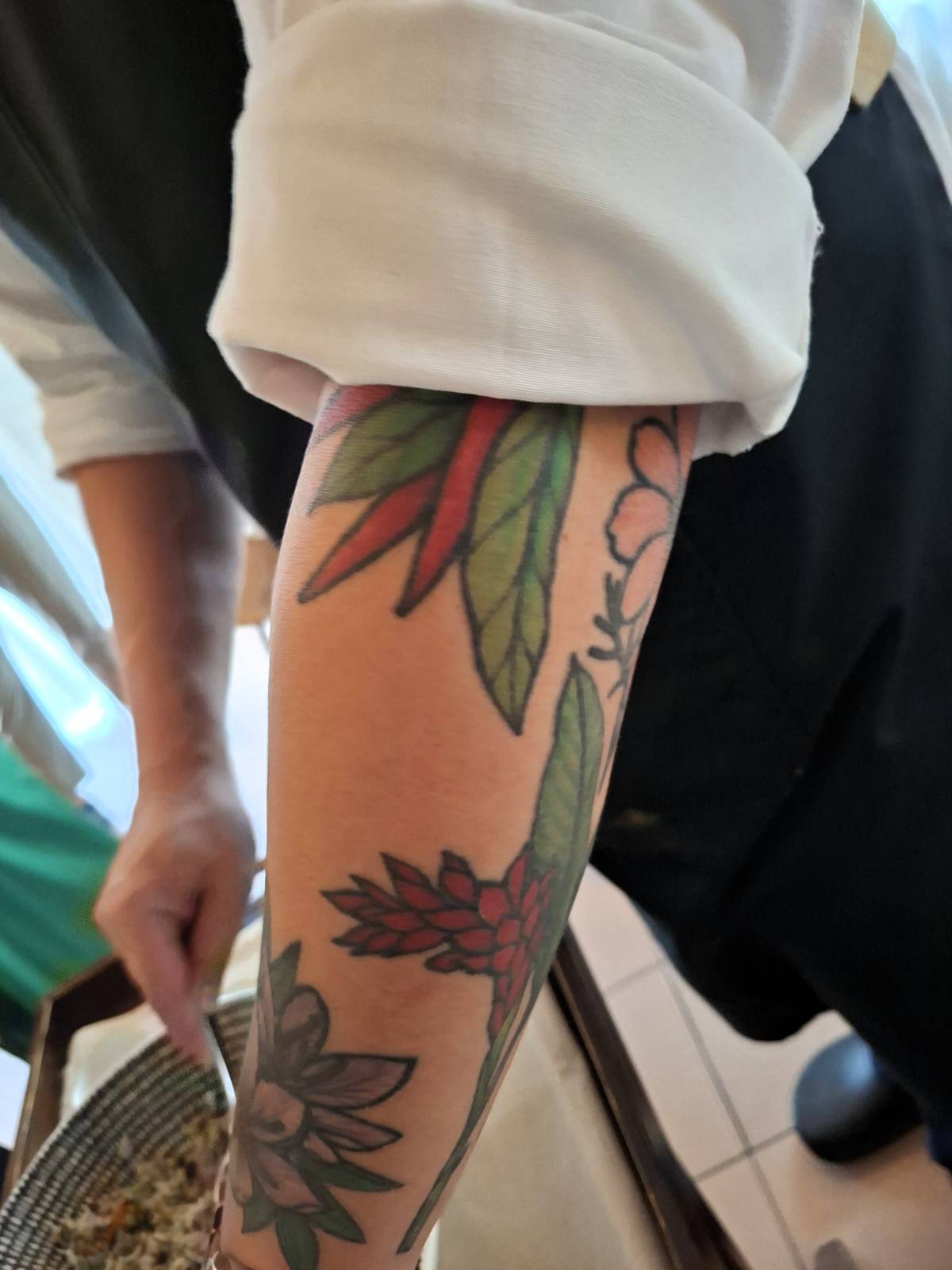
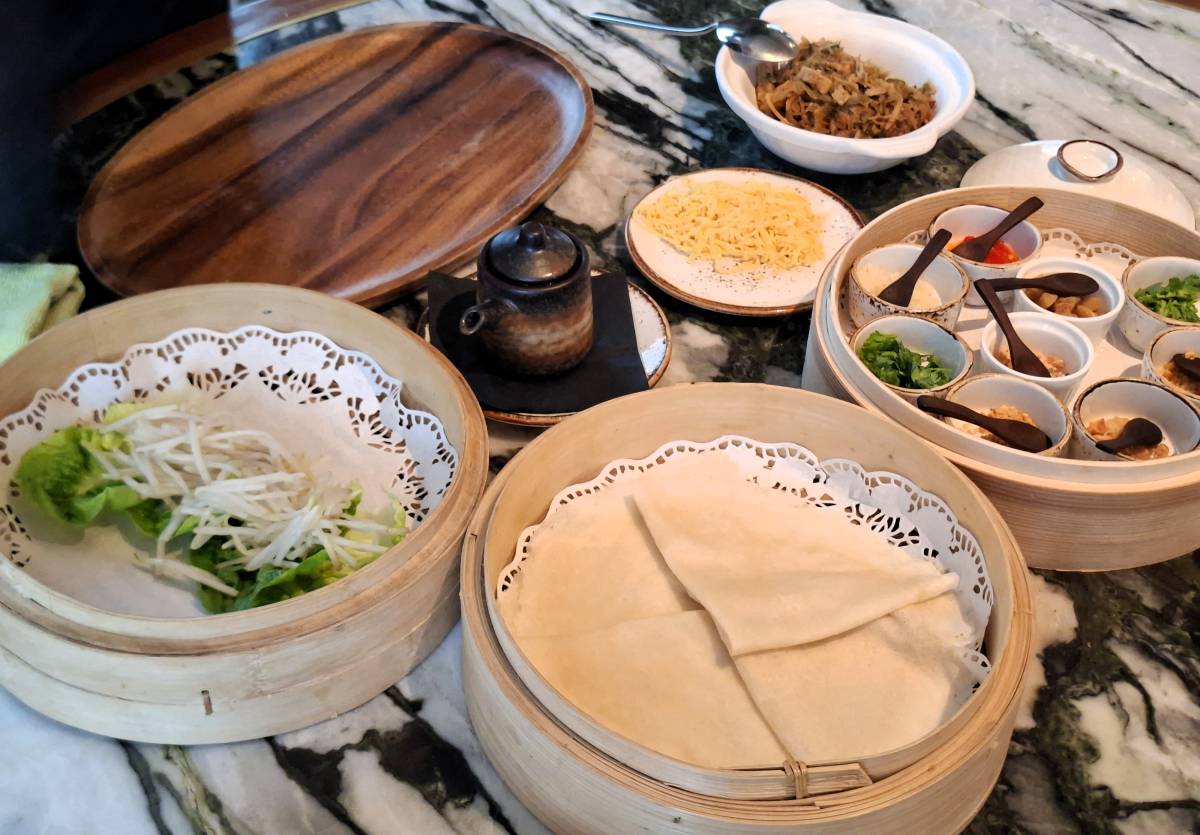
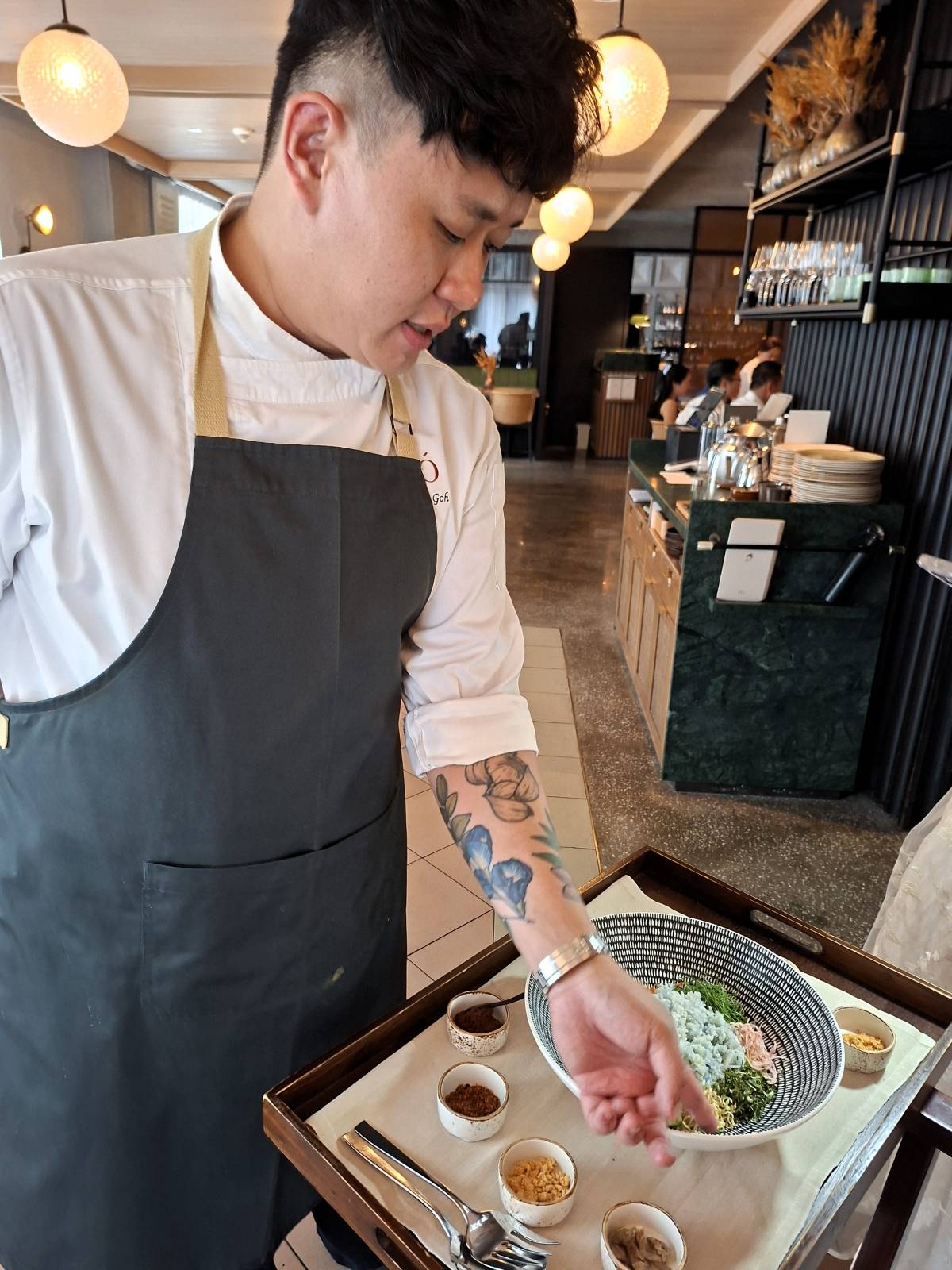
Chef Fredric, showing his essential character – good natured and seems to enjoy teaching – demonstrated how to make a roll. I was provided with a card that gives the steps to doing it correctly. At the top there is a sketch of a somewhat stern looking lady smoking a cigarette. This is Popo – the Peranakan word for grandmother, and from which the restaurant derived its name – Po. It starts: POPIAN LIKE POPO – Wash your hands and sit up straight.
Chef Fredic took us through the process step by step. Then we did our own. The fact that I had put the wrap together did not prevent it from being astonishingly delicious. I became an immediate fan of Chef Fredric and his Peranakan delicacies.
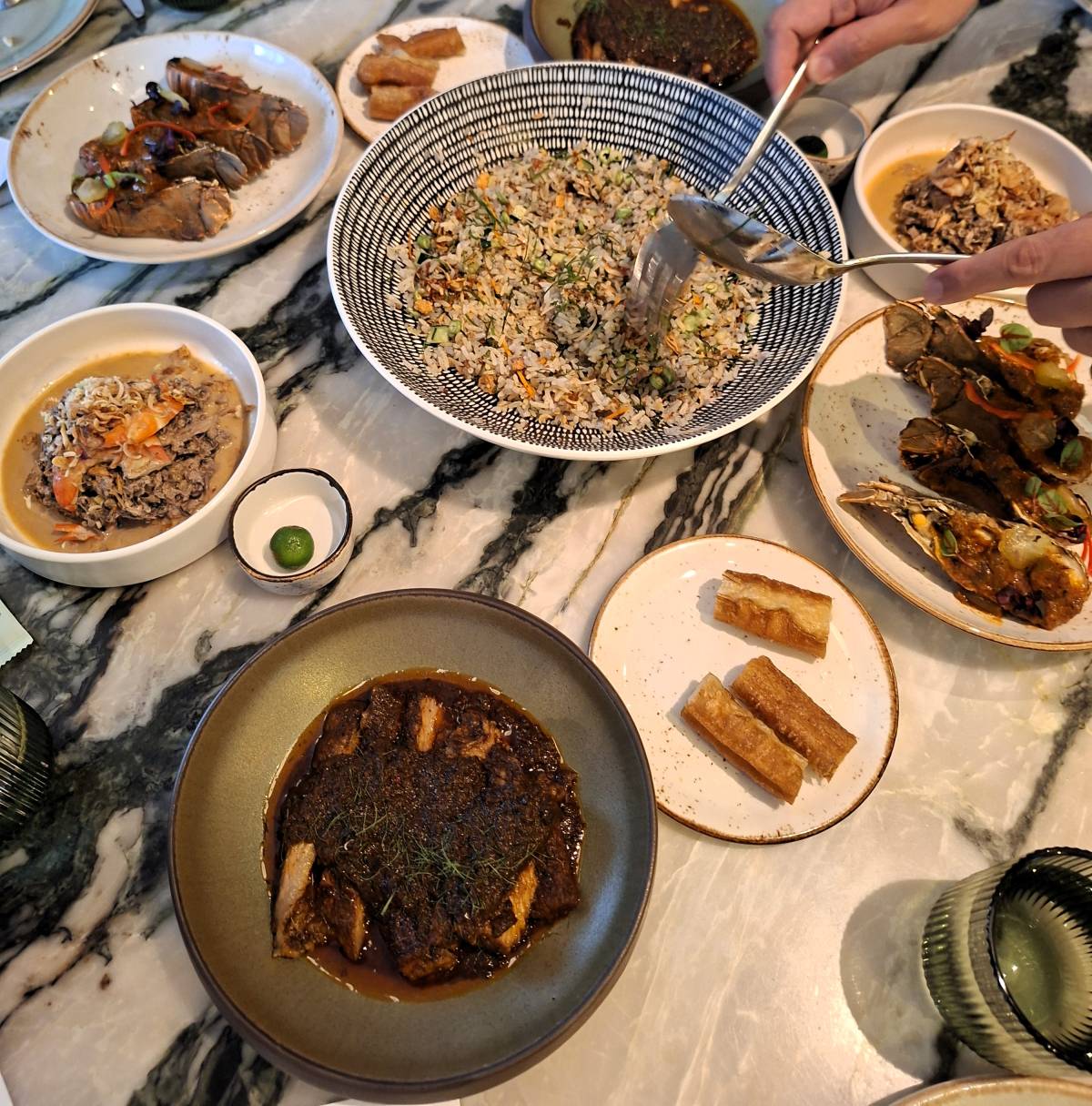
Designed for sharing, the menu brings together longstanding Po favourites and new signatures. Family recipes, Southeast Asian ingredients and traditional techniques provide its foundation, with each dish offering a distinct perspective on how Peranakan cuisine can remain meaningful to today’s diners.

“Po has always been about bringing people together through the flavours and stories of home,” says Chef Fredric. “My cooking is an amalgamation of the traditional recipes my grandmother taught me and my own interpretation of them. Peranakan cuisine has so much character, and I want guests to experience what makes these flavours distinctive while staying true to the way I grew up eating them. At the same time, how each dish is finished and presented reflects the way I cook today.”
Beyond Recipes: Preserving Culture Through Food
The refreshed menu brings together beloved Po classics and a new collection of signature dishes, each rooted in family traditions and presented for today’s table.
A longstanding favourite, Po's Classic Popiah ($32) continues to stay true to a treasured family recipe. Prepared fresh daily, its filling is hand-cut before being slowly stewed and caramelised over four hours to develop its signature richness. The refreshed version introduces crispy pork lard and sakura ebi for added texture and umami, with an option to add fresh, succulent lobster ($26 for 150gm) for a burst of oceanic freshness amongst the medley of textures, all while remaining faithful to the flavours guests have come to love.
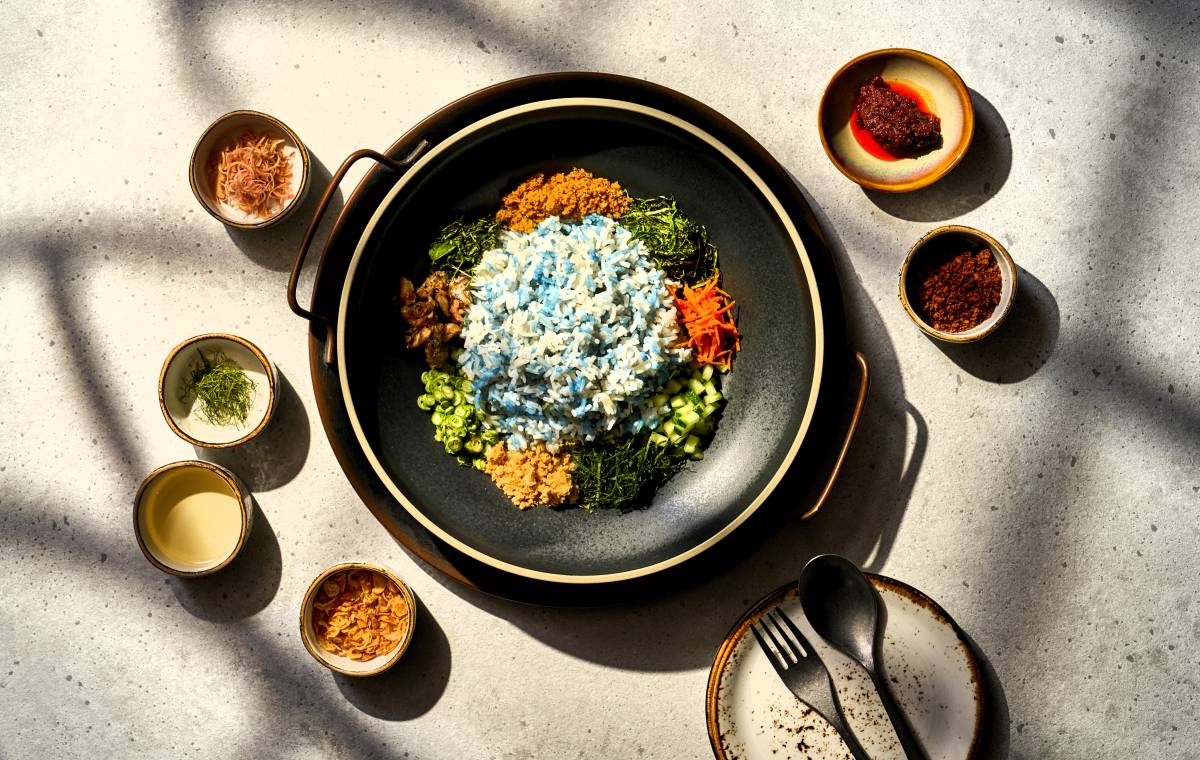
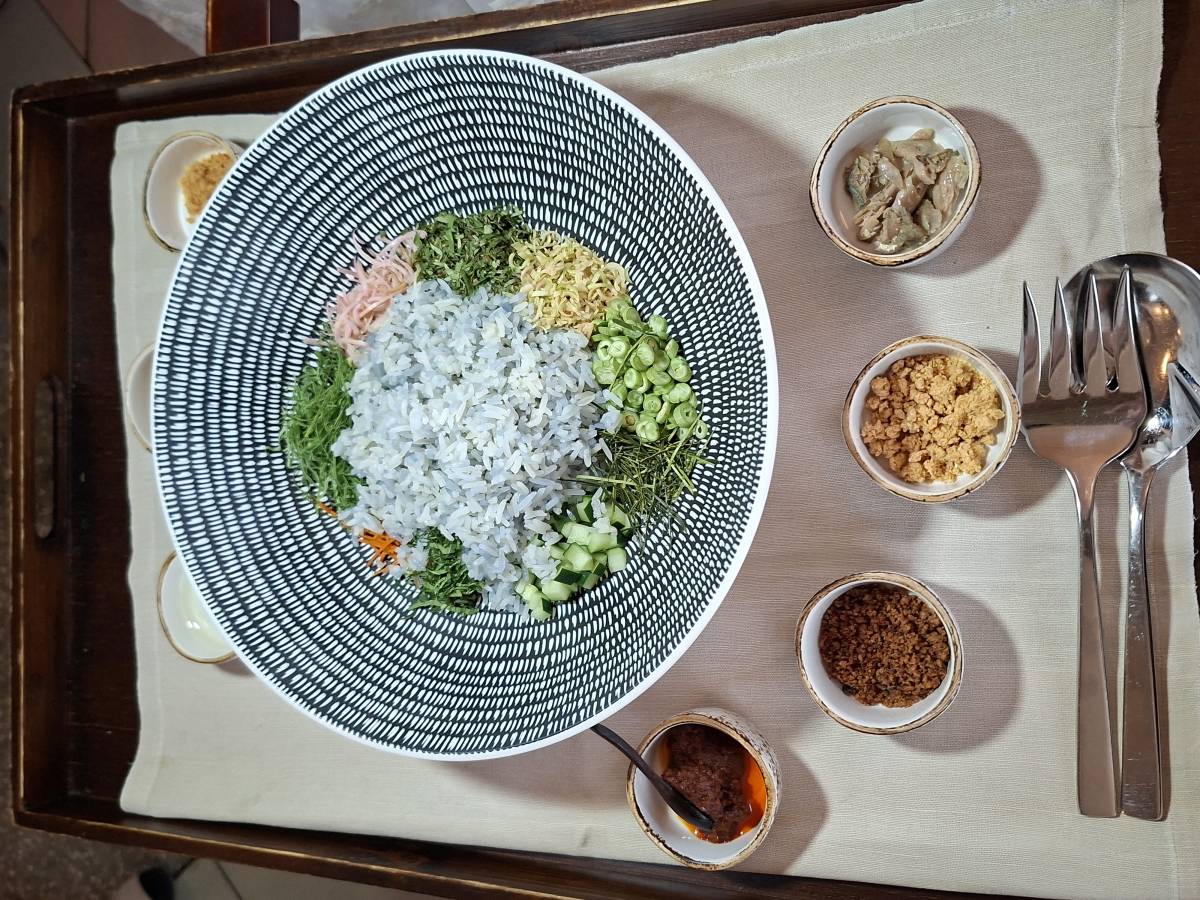
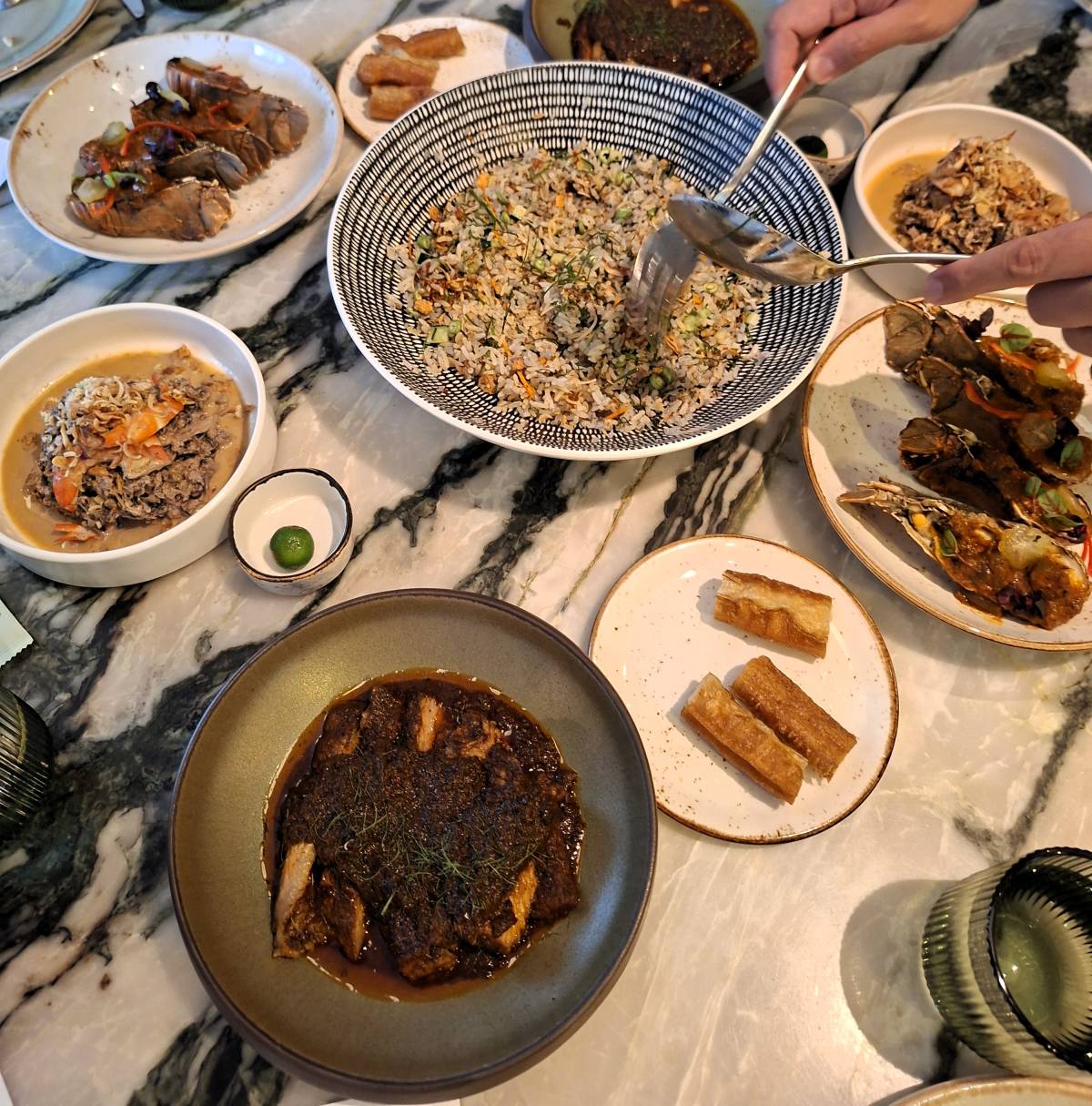
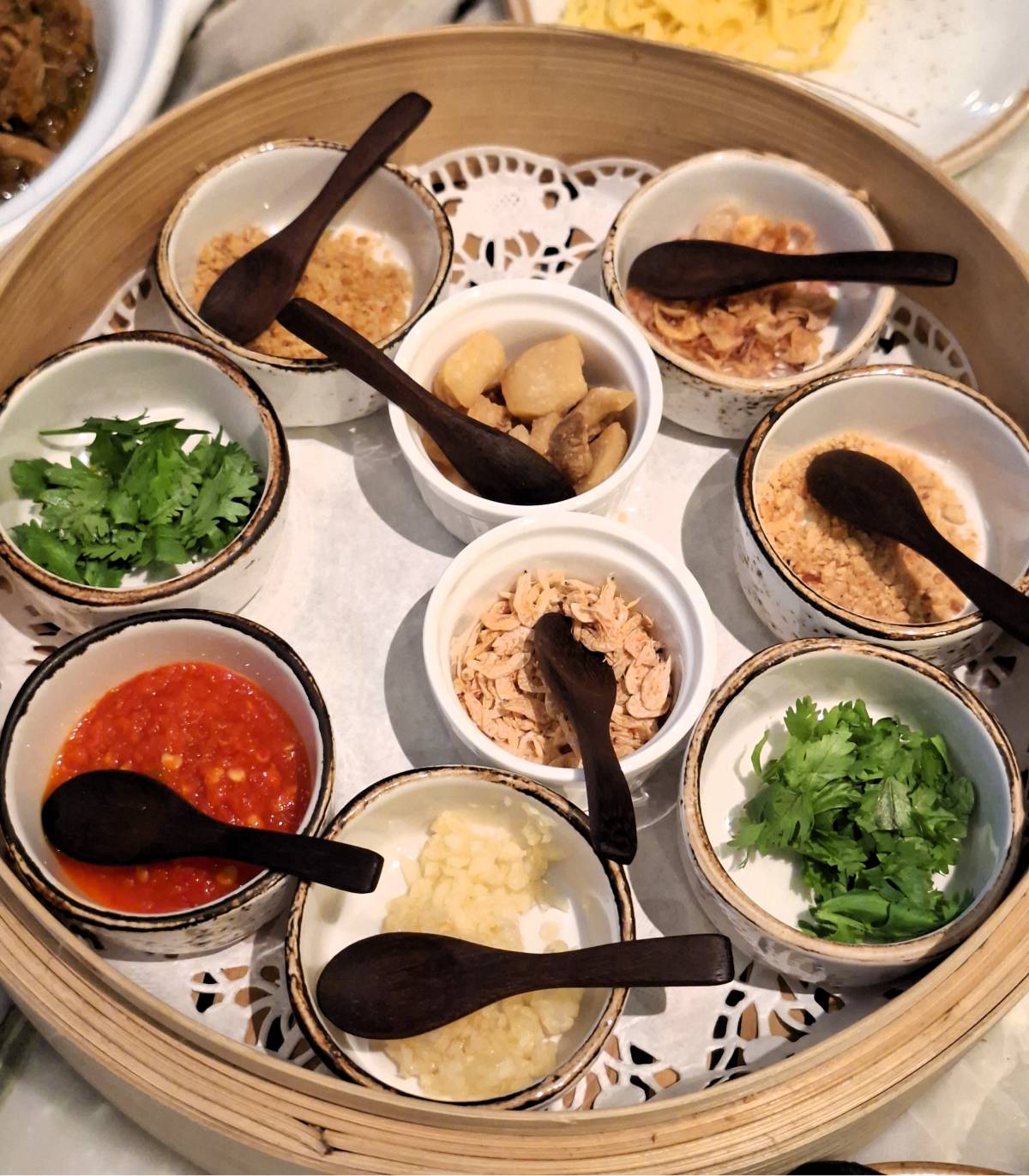
Among the new signatures is Nasi Ulam ($28), (top picture) a Peranakan classic that has become increasingly rare due to the sheer labour involved in preparing it. Requiring 15 varieties of herbs, spices and savoury toppings, each ingredient must be individually sourced and painstakingly prepared before being folded through fragrant blue pea coconut rice, it preserves one of the cuisine's most labour-intensive recipes for a new generation. Every mouthful shifts between herbaceous brightness, coconut fragrance and umami, demonstrating why this increasingly rare dish remains one of the cuisine’s most intricate expressions.

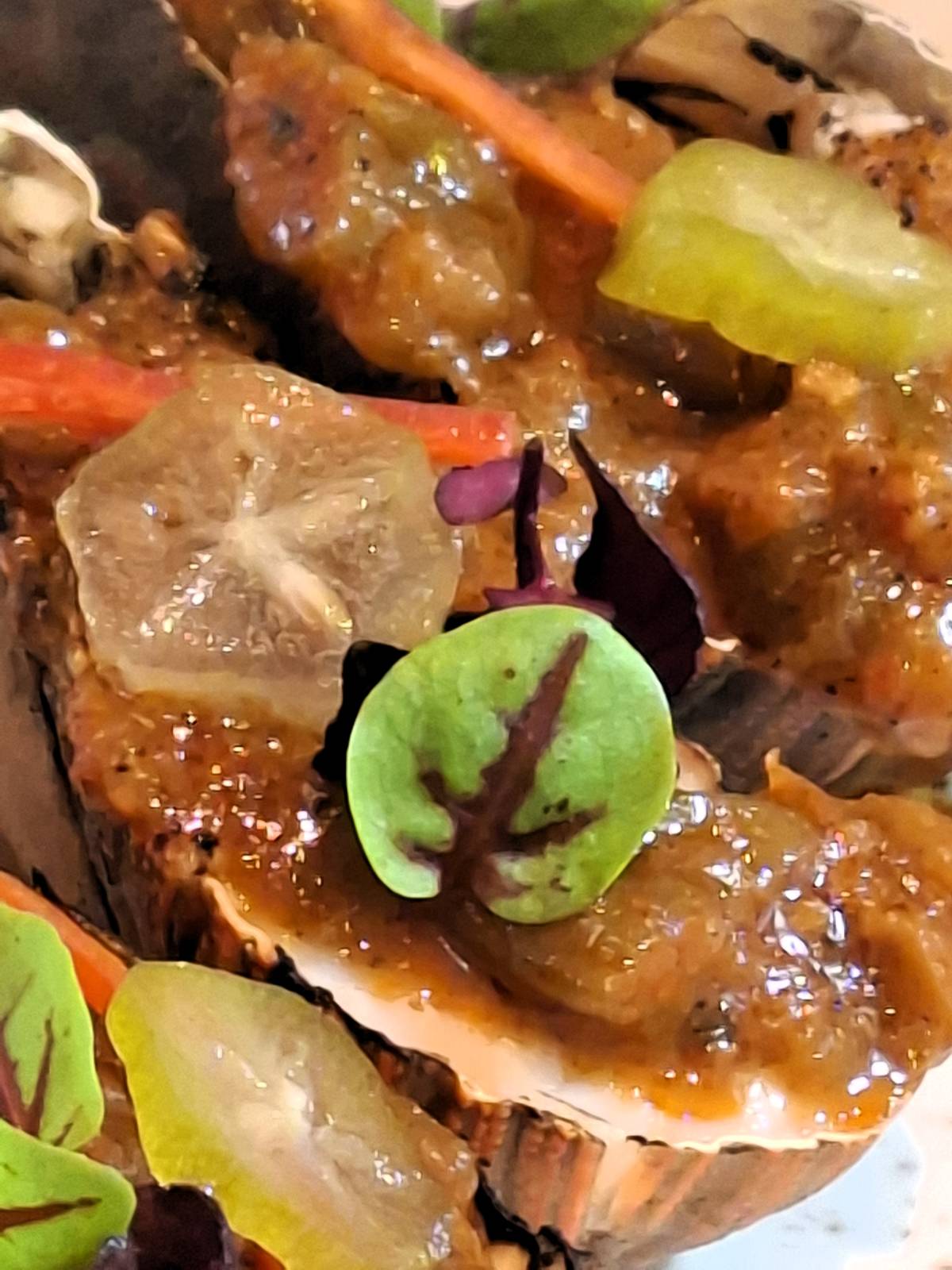
Perhaps the menu's most personal dish is Buah Keluak Pork Jowl ($36), inspired by a treasured family recipe Chef Fredric’s grandmother prepared just once a year during Chinese New Year. As a child, Fredric would wake before sunrise on reunion eve to help her cook, carefully watching as she measured every ingredient from memory and quietly noting each step. Today, that cherished recipe lives on at Po, reimagined with succulent pork jowl whose delicate balance of meat and fat lends greater richness while remaining faithful to the earthy, unmistakable flavours of buah keluak he grew up with.
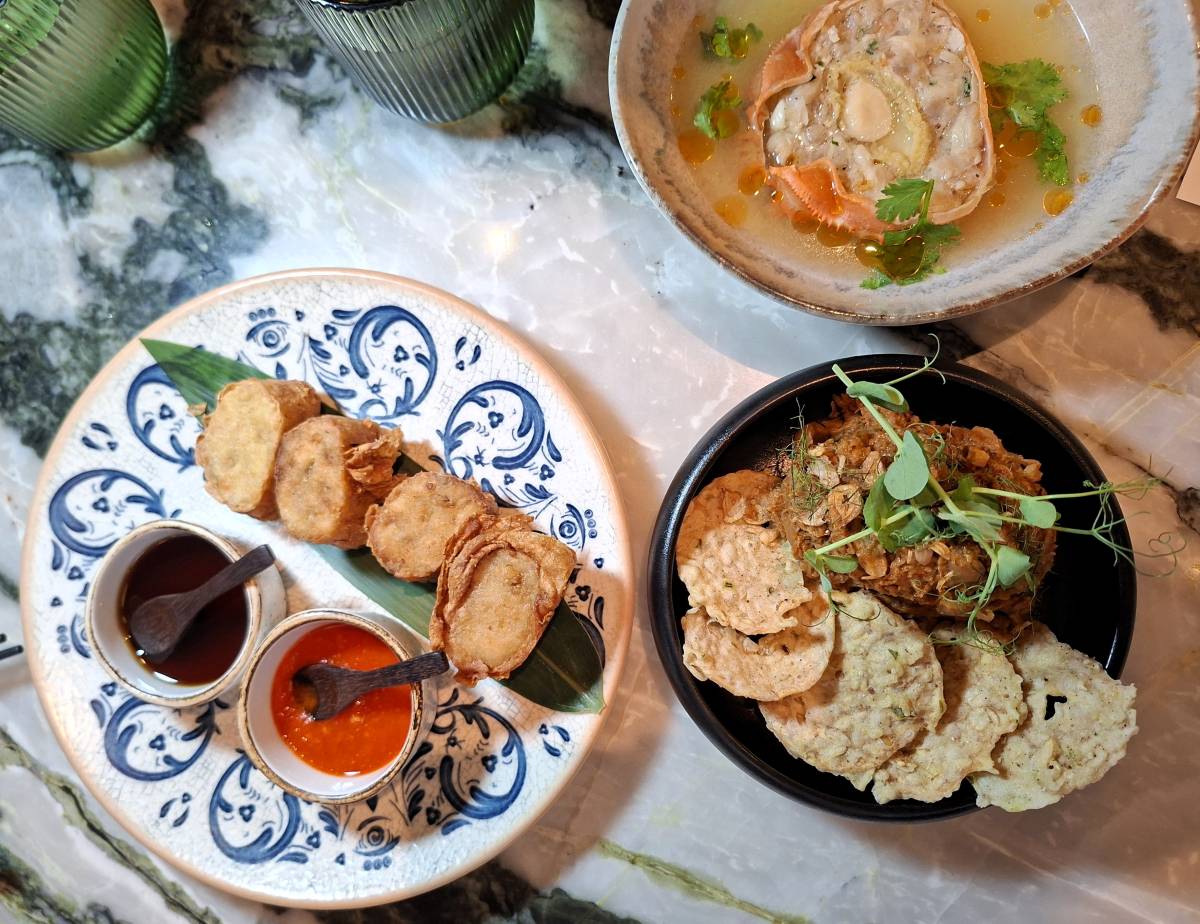
The spirit of celebration continues with Bakwan Kepiting with Abalone ($15 per portion), a soup dish traditionally reserved for Peranakan wedding banquets and Chinese New Year reunions. Built upon a delicate bone broth with hand-rolled pork and crab meatballs, the soup recalls the warmth of gathering around the family table for occasions that were both rare and deeply meaningful. Its labour-intensive preparation is a reminder that some dishes are valued not only for their flavour, but for the time, care and love invested in making them. This traditional dish is further elevated with the addition of abalone, lending an extra layer of texture and umami-rich freshness.
With Jackfruit Rendang ($22), Po looks towards the future without losing sight of tradition. While Peranakan cuisine has long relied on meat and seafood for richness, Chef Fredric believes heritage should remain accessible to everyone. By slowly caramelizing aromatics and spices to develop the same depth and complexity found in traditional rendang, the dish offers a vegetarian interpretation that remains unmistakably Peranakan in spirit. It also serves as a satisfying meat alternative, offering the same rich, layered flavours the dish is known for.

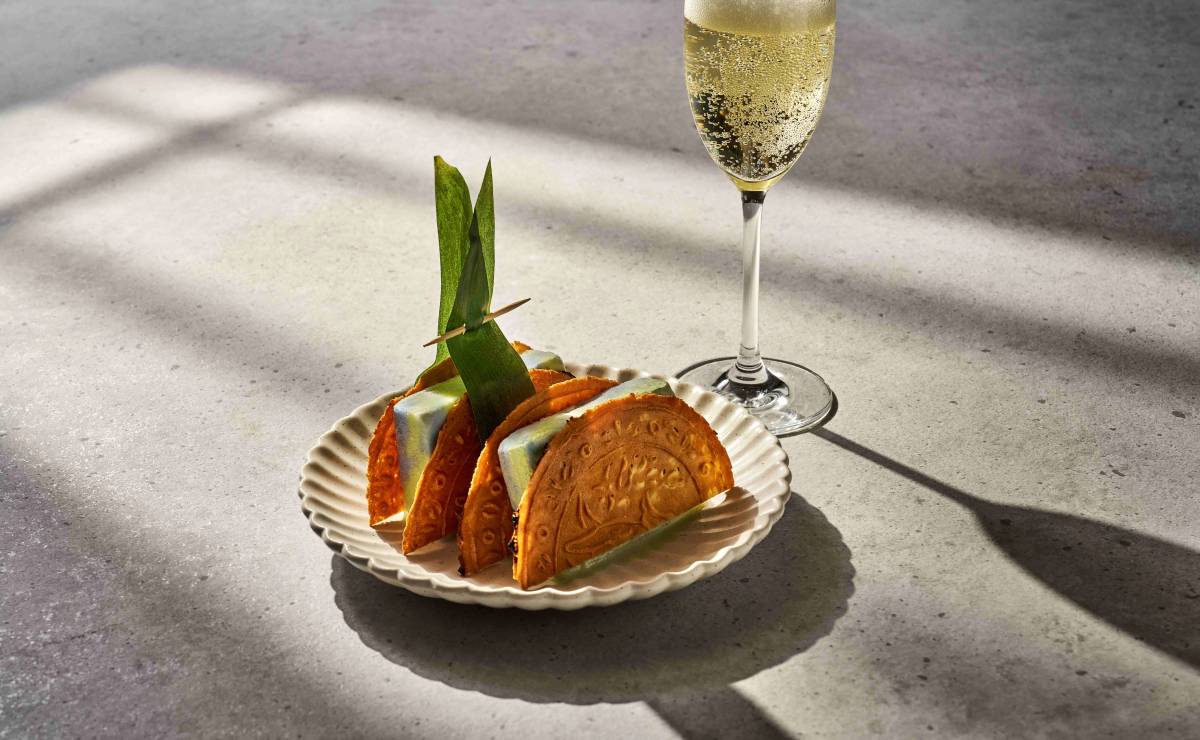
The meal concludes with the playful Kueh Salat Ice Cream Sandwich ($12 for 2 pieces), one of three new desserts introduced on the refreshed menu and inspired by one of Chef Fredric’s favourite childhood treats. Wanting diners to enjoy the familiar flavours of kueh salat in a lighter finish, he transforms it into pandan ice cream folded with glutinous rice before sandwiching it between charcoal-grilled coconut love letter wafers. The result is nostalgic yet unexpected, a contemporary expression of a beloved local classic. Rounding out the trio are two equally inventive creations, both also available in alcohol-infused versions for the more adventurous: the Chempadak Crème Brûlée ($14 per portion),a tropical twist on the French classic, and the Pandan Panna Cotta with Coconut Brittle ($14 per portion).
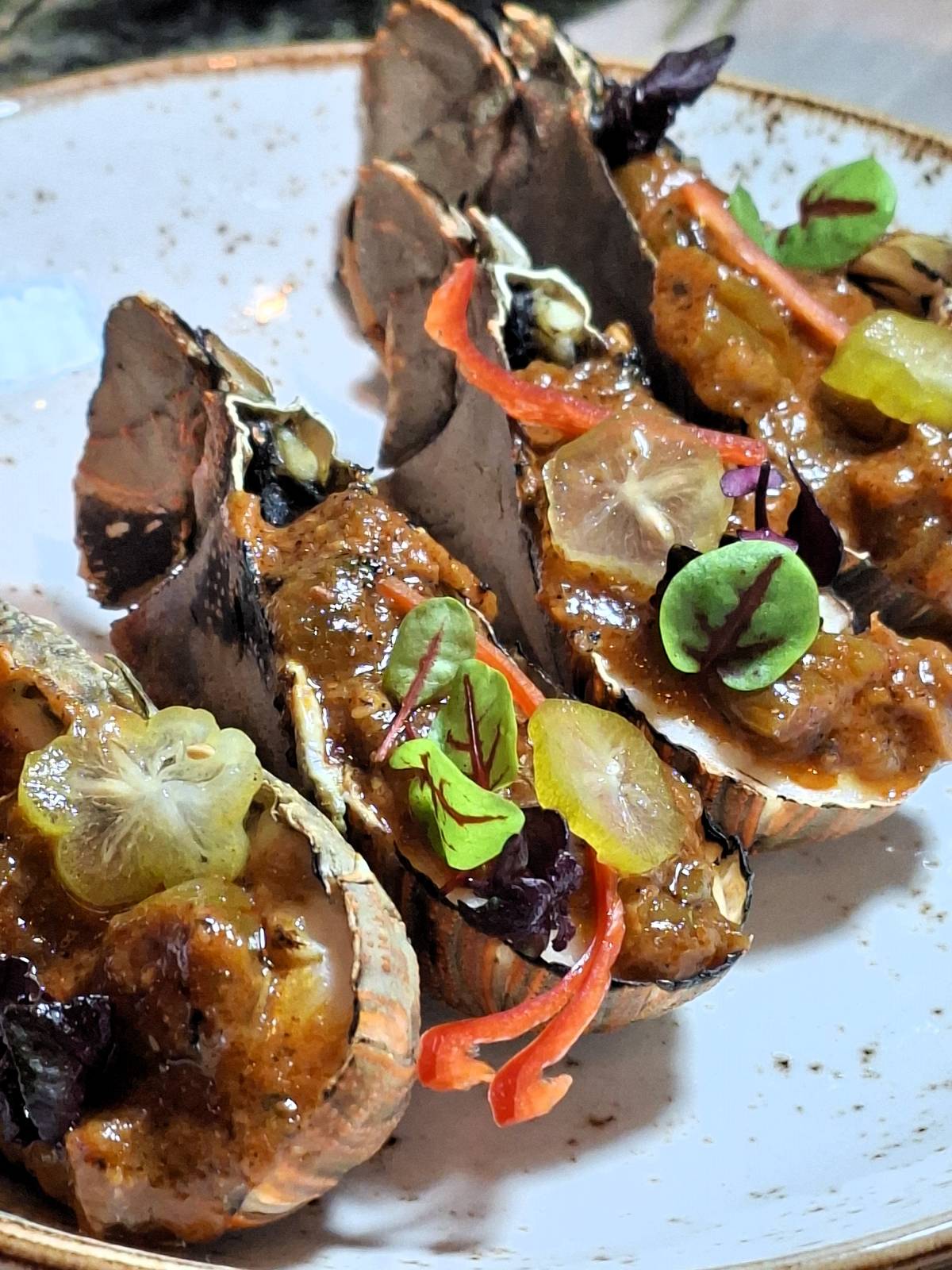
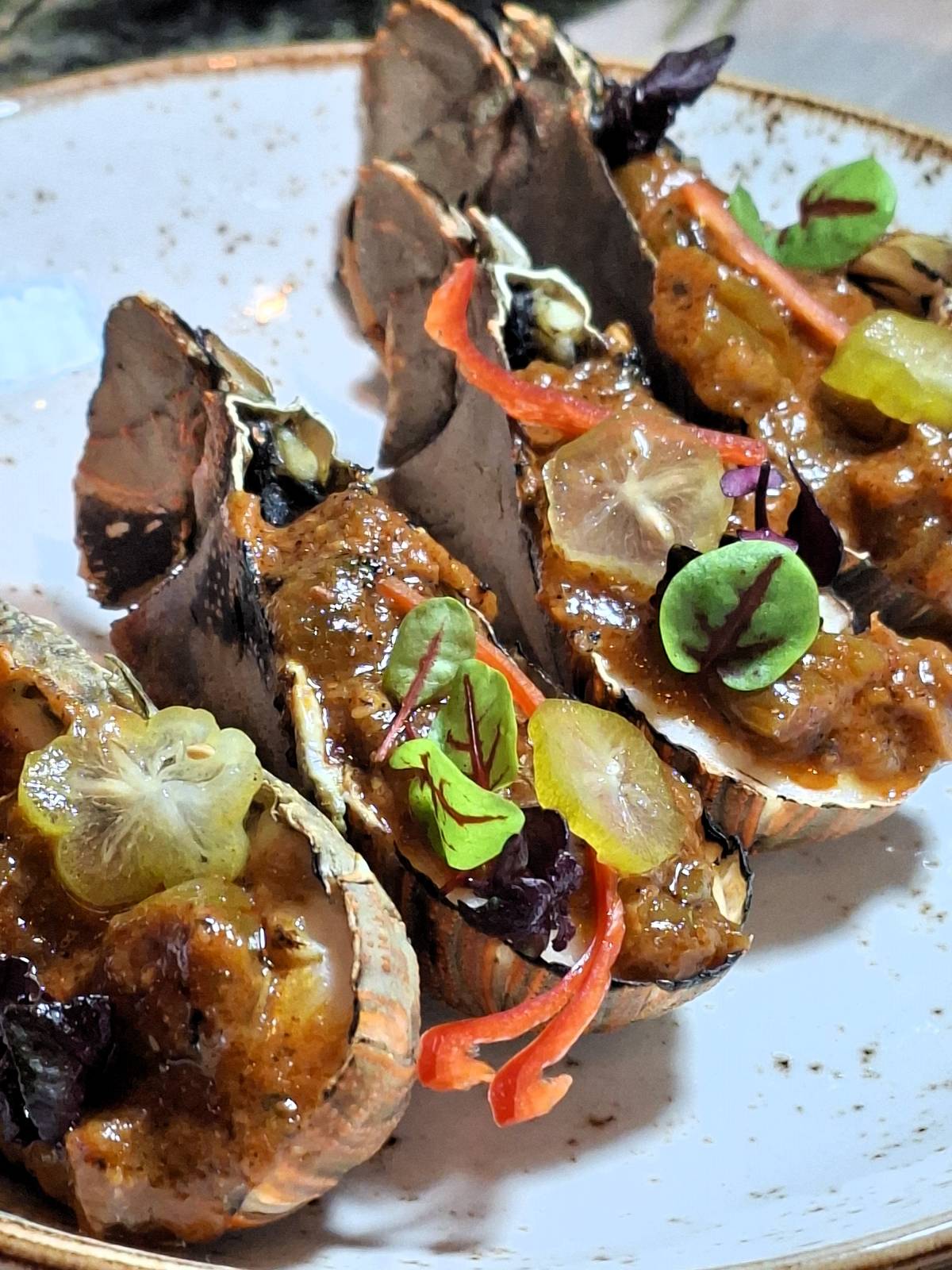
Other must-tries on the refreshed menu, showcasing Chef Fredric's Peranakan expertise, include the rarely-found Jantung Pisang (banana flower in a creamy coconut curry, $24),Grilled Slipper Lobster with Sambal Belimbing ($42) and Crab and Pork Ngoh Hiang ($20).

A Three-Month Invitation to Discover Po's New Menu
To celebrate this new chapter, Po invites guests to discover its refreshed Modern Peranakan menu through a three-month dining series from September to November2026. Each month will spotlight a curated selection of signature dishes, paired with exclusive dining privileges that encourage guests to experience more of the menu's stories and flavours.
The series begins in September with two of Chef Fredric Goh's defining creations. Guests who order the Buah Keluak Pork Jowl together with two servings of Bakwan Kepiting with Abalone will receive a complimentary dessert of their choice— either the Chempedak Crème Brûlée or Pandan Panna Cotta with Coconut Brittle, both with alcoholic versions available.
New signature pairings and dining experiences will be introduced in October andNovember, offering diners further opportunities to explore Po’s modern Peranakan menu.

Po: A Table Where Heritage Lives On
Alongside family recipes, the menu celebrates the remarkable diversity of Southeast Asia’s pantry. Behind every dish is a commitment to craftsmanship. Fresh rempah is hand-ground, spice pastes are patiently cooked using the traditional tumis method, and signature dishes are prepared from scratch using time-honoured techniques that preserve the depth and complexity of Peranakan cooking. Alongside sustainably sourced regional ingredients from across Southeast Asia, such as blue pea flower, buah keluak, pandan, coconut, jackfruit and fragrant native herbs, these traditions continue to shape Po's contemporary expression of the cuisine.
Rather than treating these ingredients as novelties, Po allows them to take centre stage, revealing the depth, complexity and character that define the cuisine. Together, they create a menu that feels unmistakably rooted in Southeast Asia while offering a contemporary perspective on familiar flavours.

Named after Popo, the Chinese word for grandmother, Po has always celebrated the stories, traditions and generosity that surround the family table. Today, that philosophy finds its clearest expression through a menu that honours Peranakan heritage while embracing innovation.
More than a refreshed menu, this marks a defining new chapter for Po as it strengthens its position as one of Singapore's leading destinations for modern Peranakan dining, where heritage is not simply preserved, but continues to be passed on around the shared table.
The refreshed menu is now available. All prices stated above are in Singapore dollars, subject to 10% service charge and prevailing government taxes.

ORDER HERE: fcowanmedia@gmail.com : Or go to Amazon: The Orange Sofa: Unicorn Eyes: Walking Home: Singapore Circuit Breaker. Zero Visibility - The Rescue of the Thai Football Team trapped in the cave in Northern Thailand.