

Oh! Moonstone Art Walk in an Old Singapore Neighbourhood
Everything Changes, Everything Stays the Same
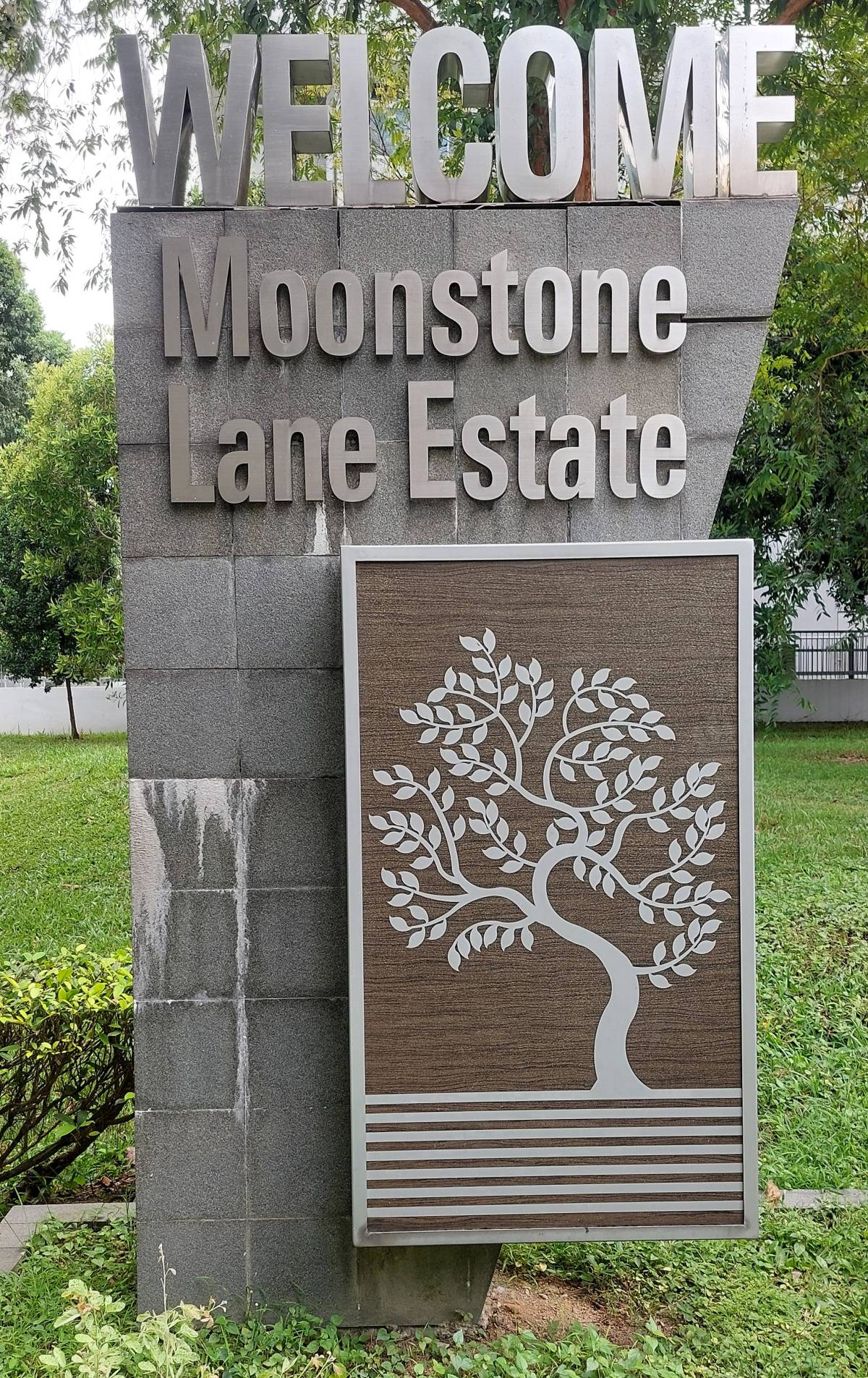
(January 18, 2026) In the elevator of 21 Moonstone Lane Yesterday Once More by the Carpenters from their 1973 album Now & Then plays over and over again on a loop. As we were on a walking tour with OH! Open House an independent arts organisation that has done a series of walks of Singapore’s many neighborhoods the song seemed very appropriate. OH’s walks focus on the history of the community, its stories, buildings and the people who live, have lived and work there. I believe that wherever you live, understanding the history of your community is important, and I find it most interesting.

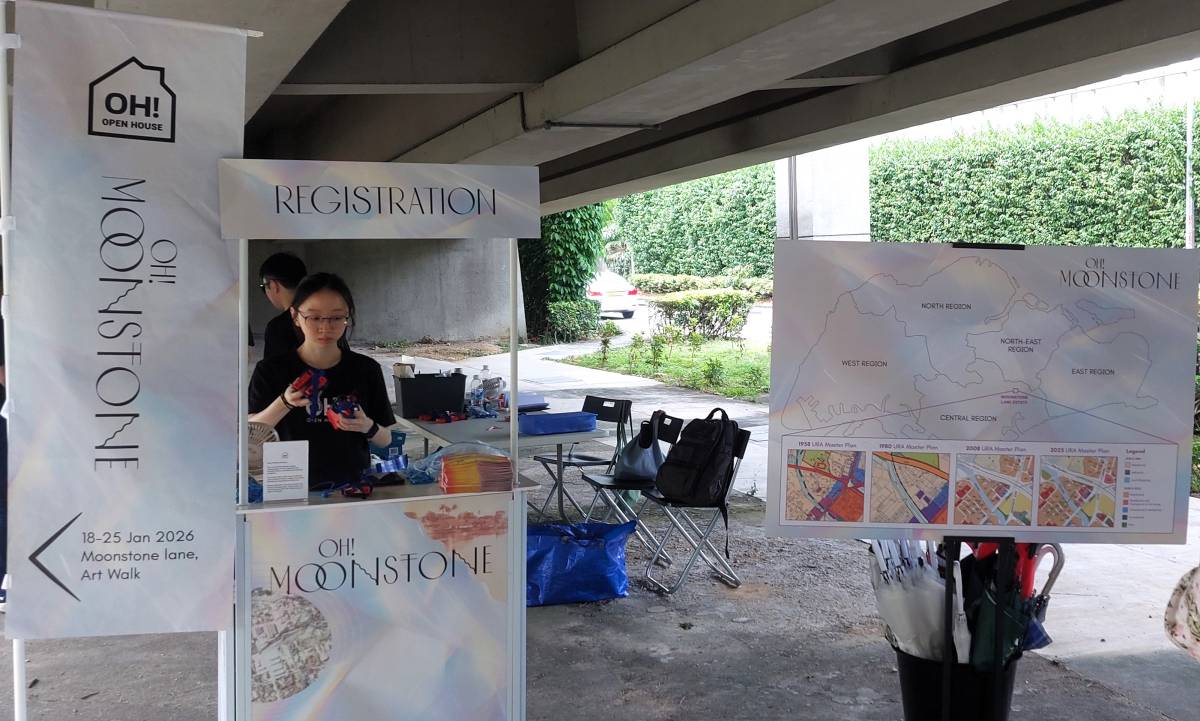
Farah and I signed up for Oh! Moonstone Art Walk on the 18 January 2026 and were directed to go to Bus Stop 60089, Opposite St. Andrew’s Village – a wide concrete space under the Pan Island Expressway (PIE). It seemed an unusual place to meet, but it was perfect for the start of our stroll of the area. The overhead Woodsville Flyover provided shade and a clean (not so quiet) place for OH! Open House to set up and welcome the many participants who came throughout the day to take the hour and a half tour of the area.

We were welcomed by Judith, who was celebrating her 10th anniversary of doing tours with OH! She gave us headphones and introduced herself and asked us to tell us who we are. Near OH!’s desk were stands showing Singapore’s Masterplans for this area. Judith explained what a masterplan is and how they can change over the years as the city develops. “This area (Moonstone) has changed very little since the early 2000s.”
Coincidently, when I got back to my HDB flat in Tampines East I learned that Liu Thai Ker, Singapore’s first master planner, had died that day at 87. He was the architect who shaped the landscape of modern Singapore and is well-known as Singapore’s first master planner and the father of urban planning. He oversaw the development of about half of the more than one million public housing apartments, helping plan 20 of the 24 HDB towns. When I moved to Tampines East I became interested in who had lived there before me from the time this area was developed in the mid 1980s. I am curious about why the flats were designed as they were and the history of this area.

The Sidhu Home
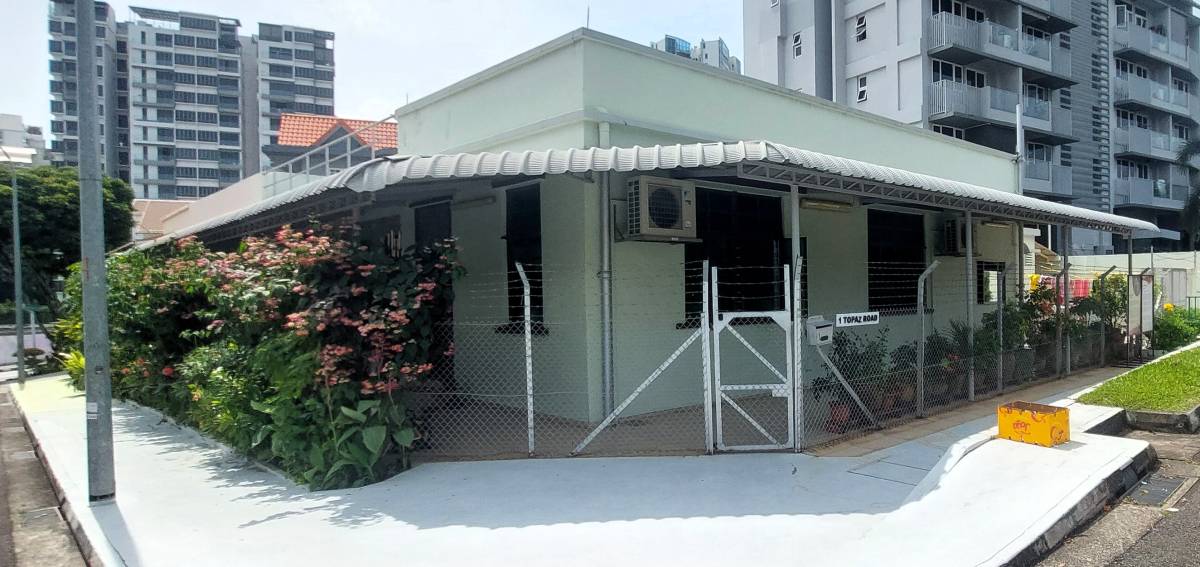
But that is for another day. On this day we followed Judith from the shade of the PIE to the Sidhu Home a short distance away on 1 Topaz Road. Many of the streets around Moonstone Lane have names of gems such as Topaz Road, Opal Crescent and Ruby Lane. Judith speculated that many jewelers and gem dealers dwelt in the area.
Built in 1951 the home has changed little from when it was built in a quiet area of Singapore. Much has changed from an area where the Sidhu family could keep a cow to a mixed-use district of apartment blocks, shops, warehouse and there was even a bottling plant.

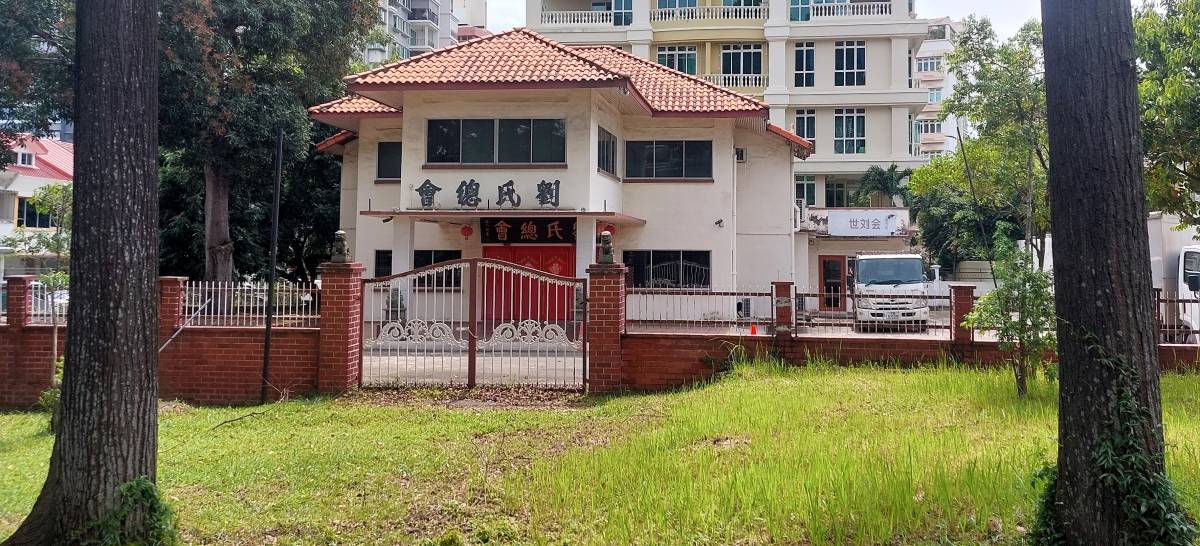
Lau Clan General Association Clan House

A few steps away on Opal Crescent is Lau Clan General Association Clan House that was established in the 1930s. Clan Houses are common in Singapore but diminishing in number and importance as their original purpose of helping immigrants settle in a new home, is no longer the need it once was. Judith pointed out the gate to the property that is “permanently locked” as it faces the expressway. “The Clan House once owned a great deal of land that stretched right up to where St Andrews School is now.”
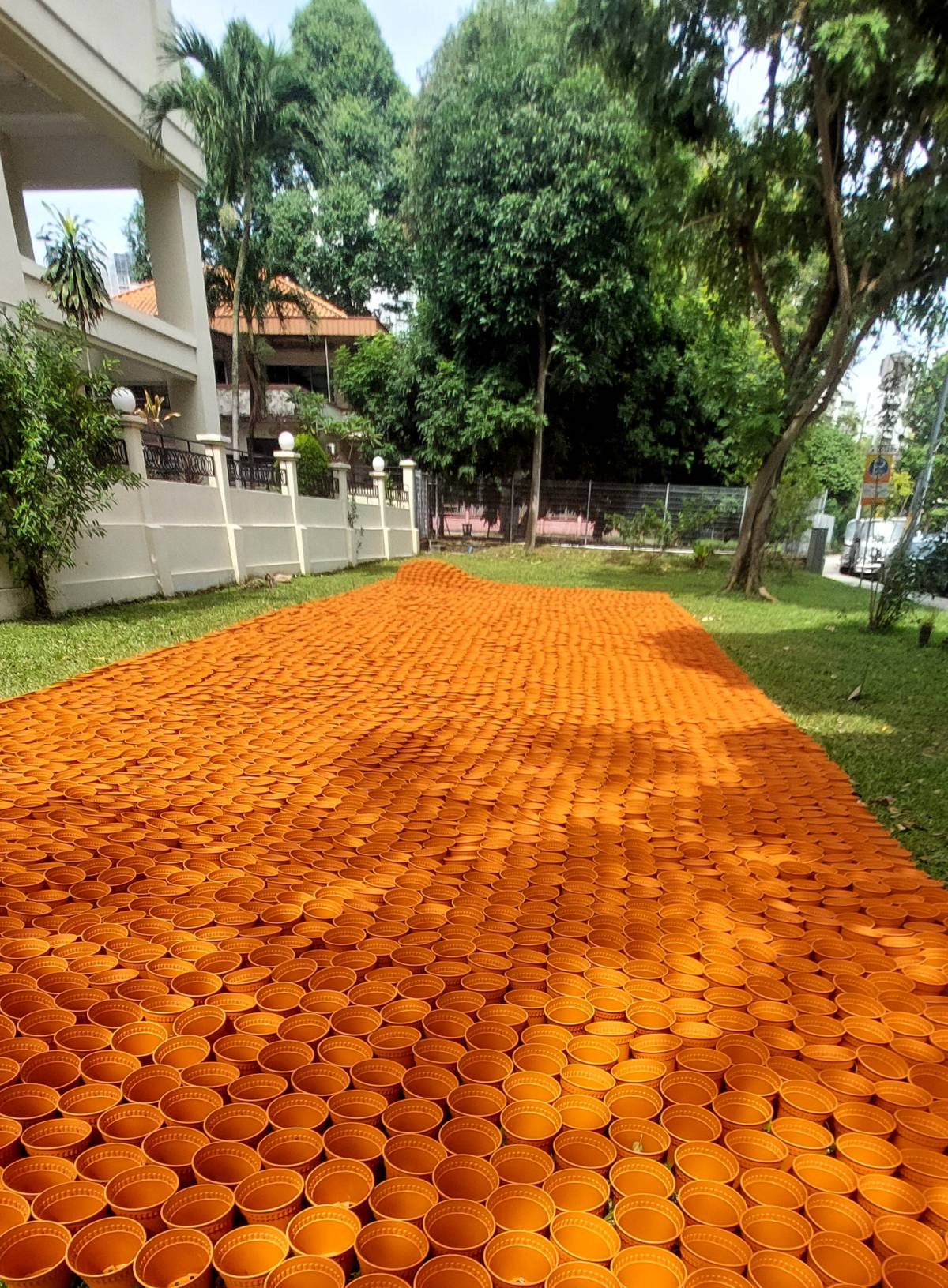
We went around the corner to a small plot of land with a patch of lawn and decorated with rows of biodegradable plant pots. (right) Judith asked us how many pots we thought were there. I said 786. Farah, knowing Singapore's love for the number eight, speculated that there were 8,888. Judith took a few more guesses and then revealed there were 10,000. She took the opportunity to explain that Singapore controls every plot of land in the city – whether it is in use or not. The National Parks Board is responsible for managing Singapore’s parks, nature reserves, greenery and biodiversity.
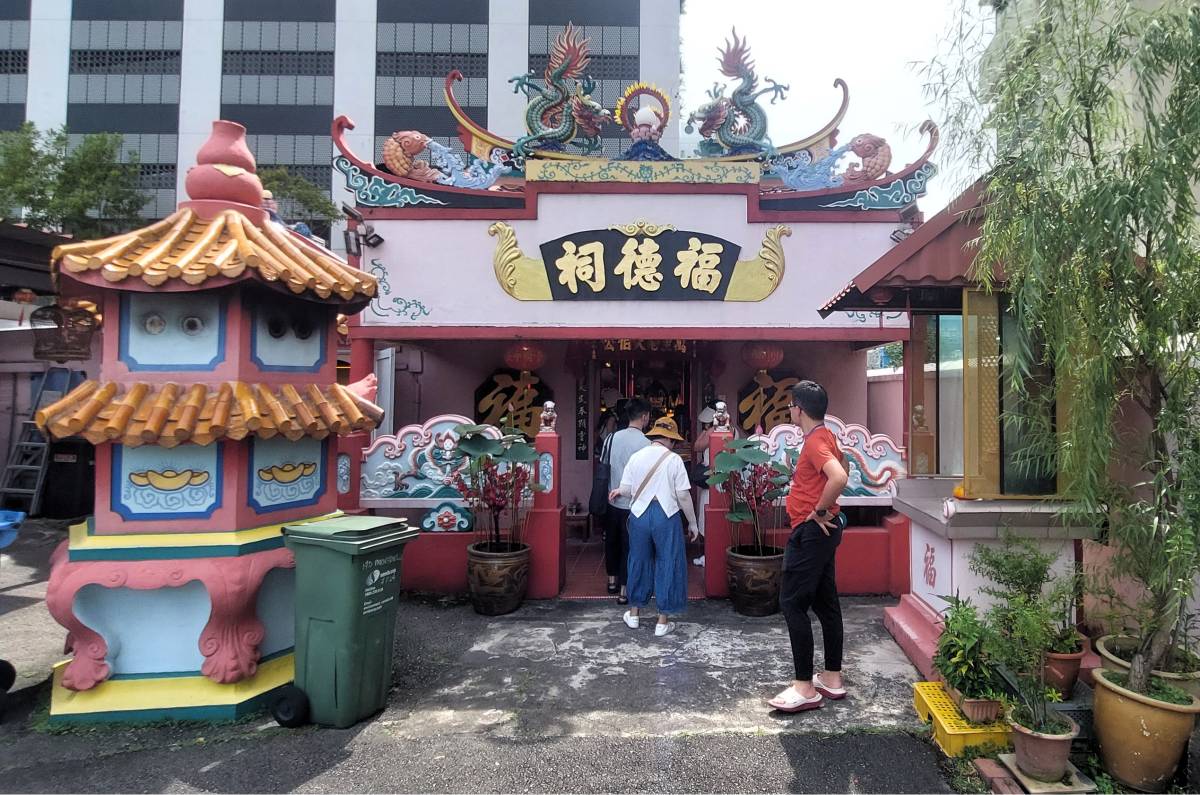
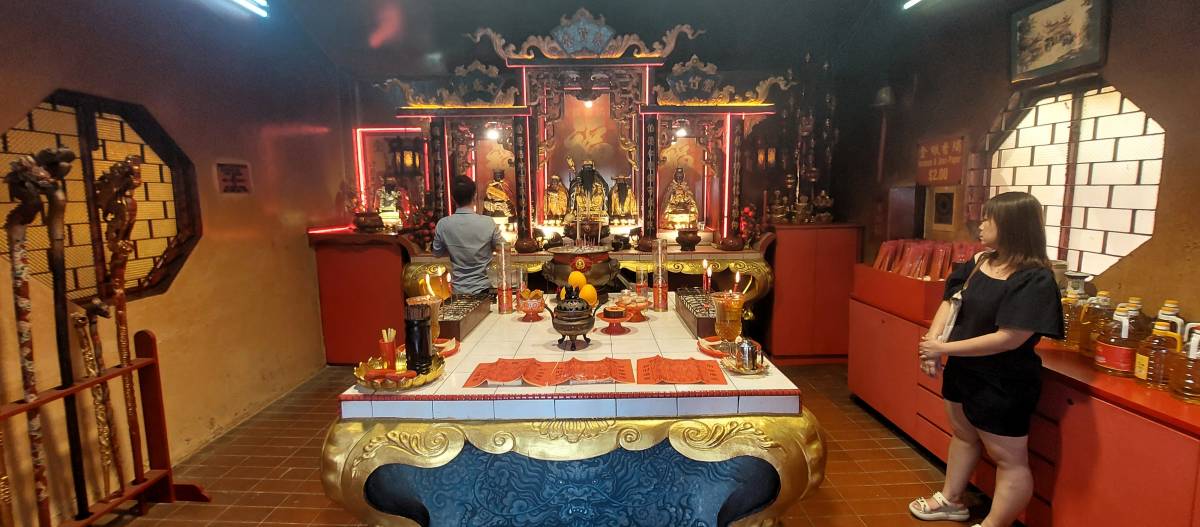
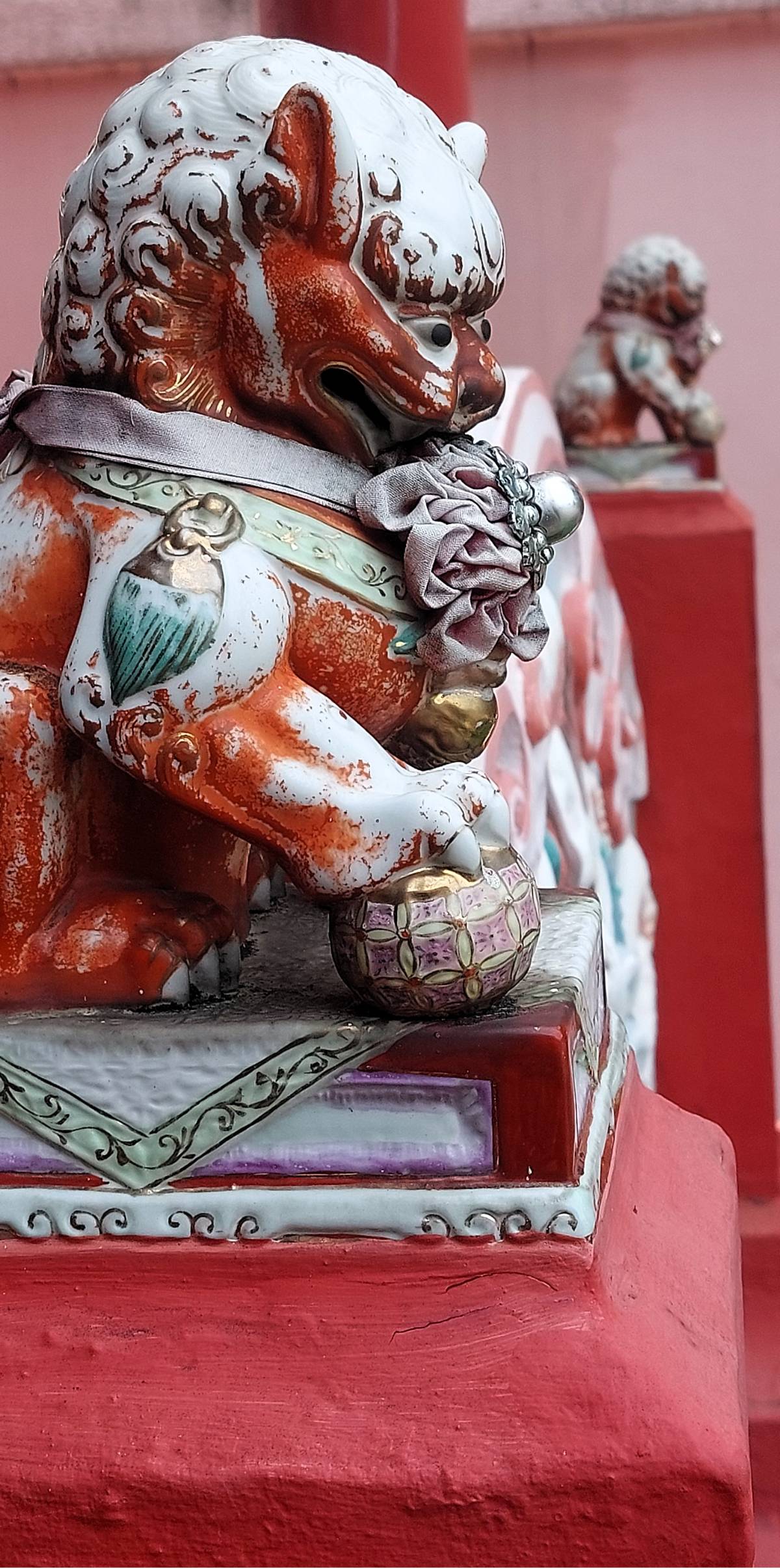
The tour was dubbed, “Everything Changes, Everything Stays the Same” and our next stop was symbolic of that sentiment. Sin Choon Huat, a small, very darling little temple dedicated to the Taoist diety Tua Pek Kong. Two stories colour the history of its origins. One is that fishermen that dipped their lines in the nearby Kallang River requested businessmen to build a temple so they would have a place to worship. The second story was that Bachoo Singh, (owner of the home on Topaz Road) praying at a nearby temple, said he would build the new temple if he was able to buy a plot of land he coveted. That very afternoon the owner of the land contacted him and said he could purchase it. Built in 1958, in addition to the representations of the deities, the temple is home to 108 lanterns.


 Sin Choon Huat
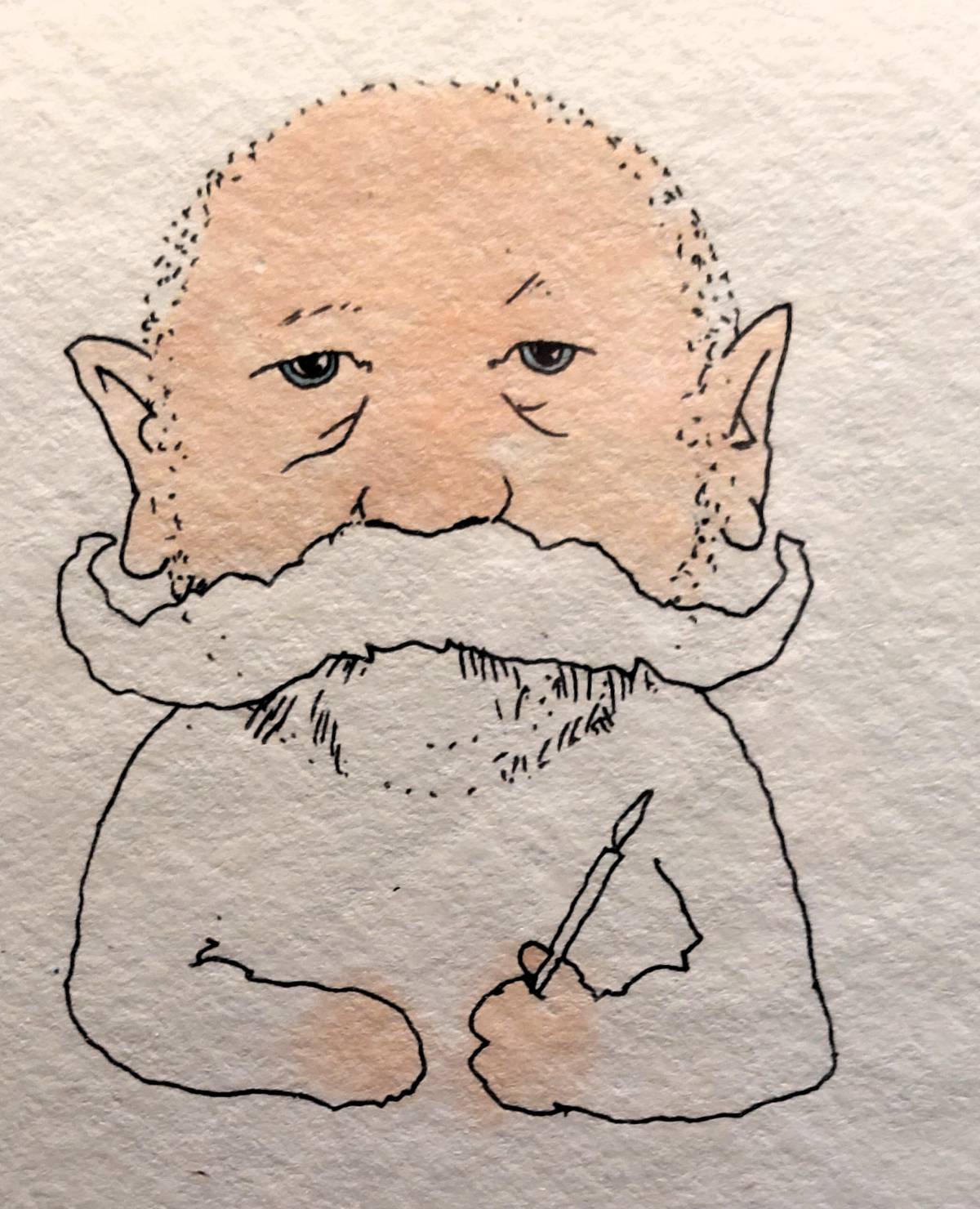
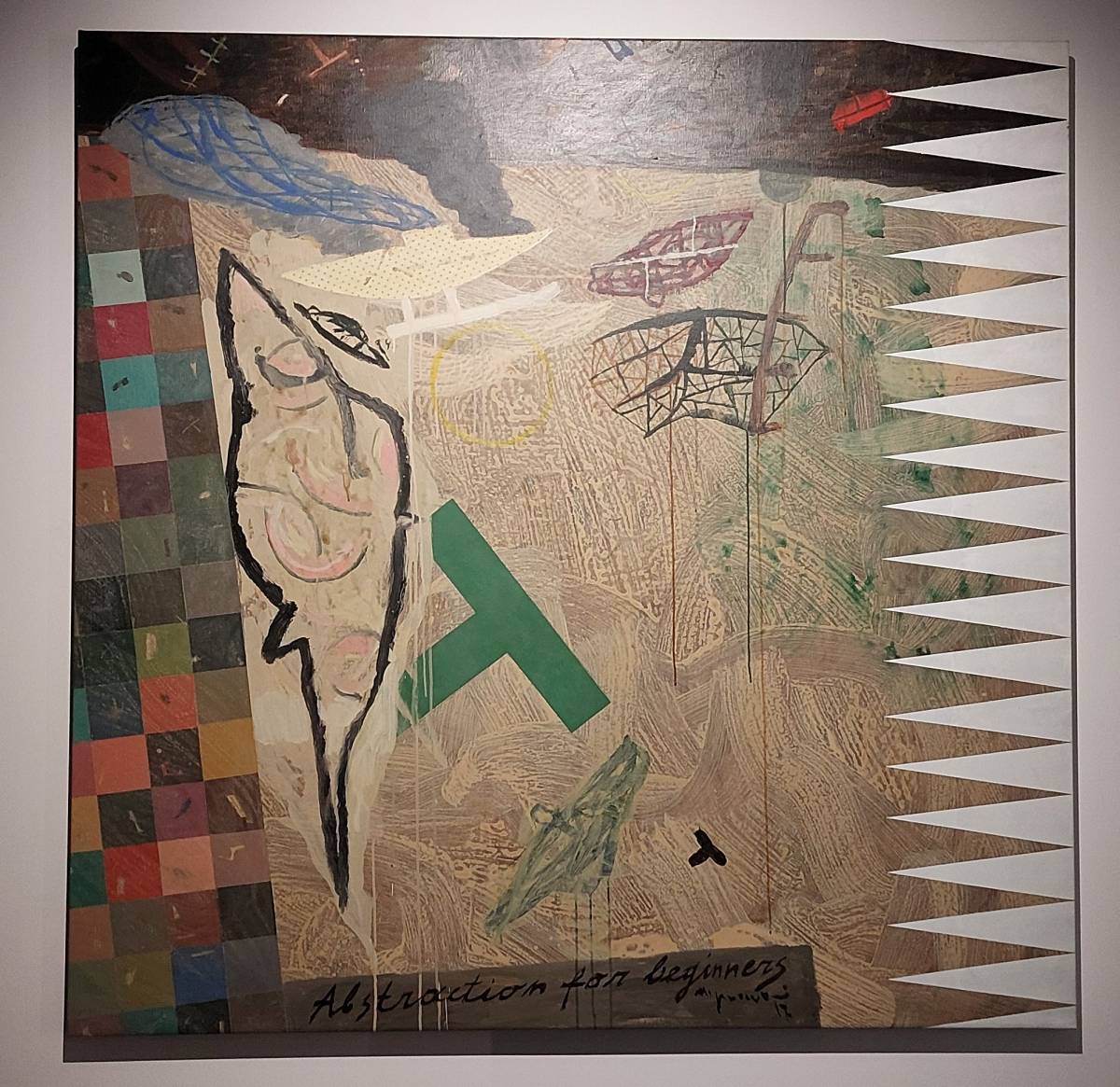
Our next stop was at 21 Moonstone Lane where Karen Carpenter serenaded us as we rose up to the 6th floor to MUYI Creation a bespoke carpentry studio that opened in 2025. Artist Milenko Pravcki is a principle in the company. The winner of the Cultural Medallion for Visual Arts (2012) has mentored generations of Singaporean artists.
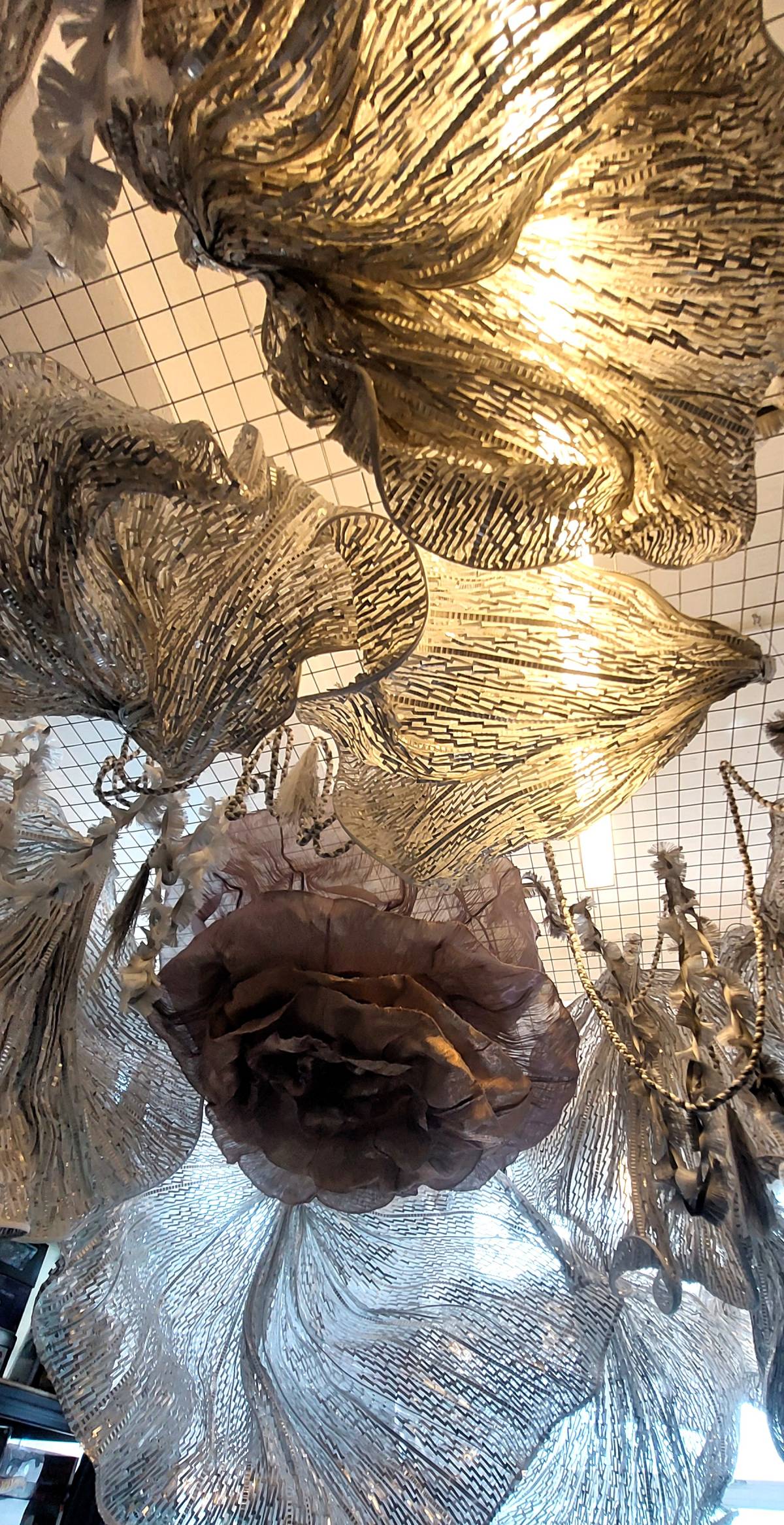
Just down the hall is Daily Diecast, a Singapore-based online retailer specializing in collectible diecast model cars, including brands like Hot Wheels, INNO64, KaidoHouse, and Tarmac Works. When you go in, make sure you check out the artwork on the ceiling.



The ceiling at the Daily Diecast Art work at MUYI Creation Milenko Pravcki, self portrait
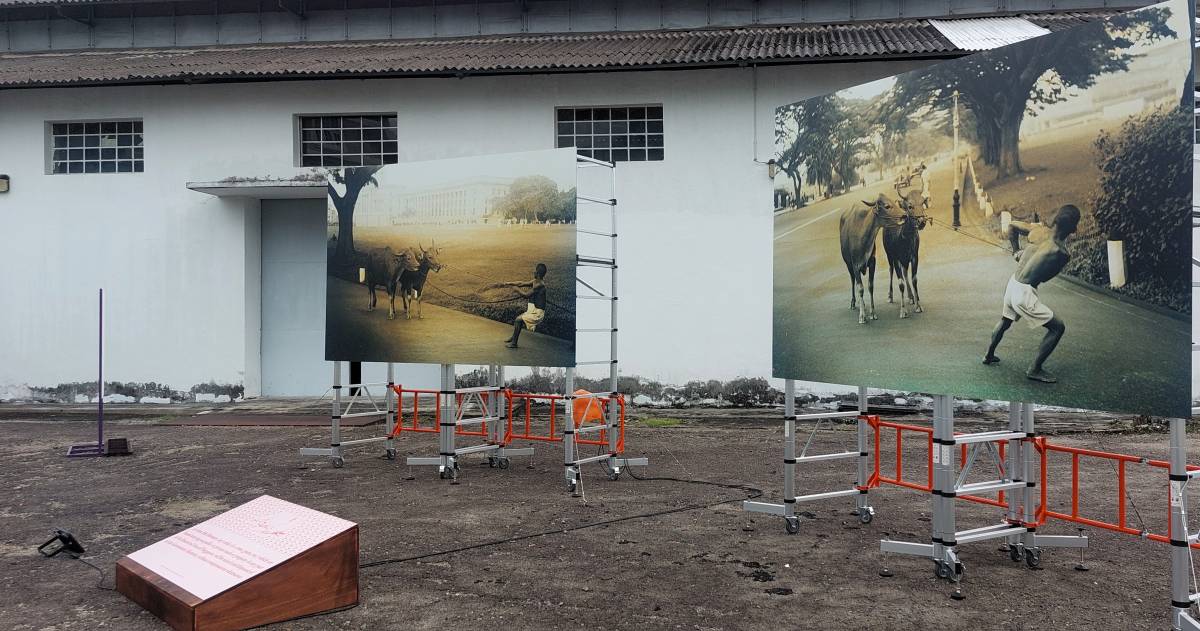
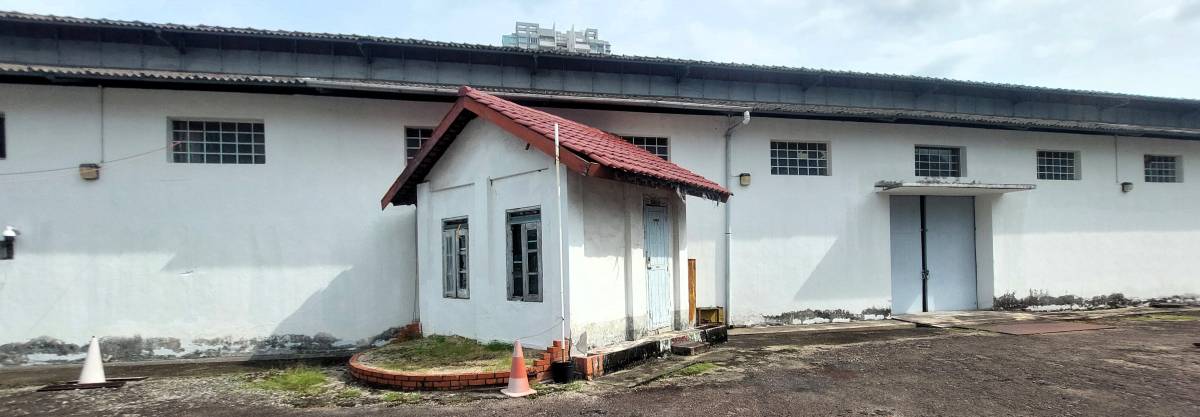
Our final stop was in an empty lot next to a warehouse (built in the 1950s) that once stored rice. What makes this place standout is that abutting the warehouse is a keramat. A keramat is a shrine built over the grave of a venerated person, often believed to possess spiritual power. It became a controversial site when a new owner wanted to exhume it. Local historical communities thought this might not be a good idea and asked for time to research it. They found sufficient evidence of its importance that it remains untouched.

Who is in this Keramat is unknown
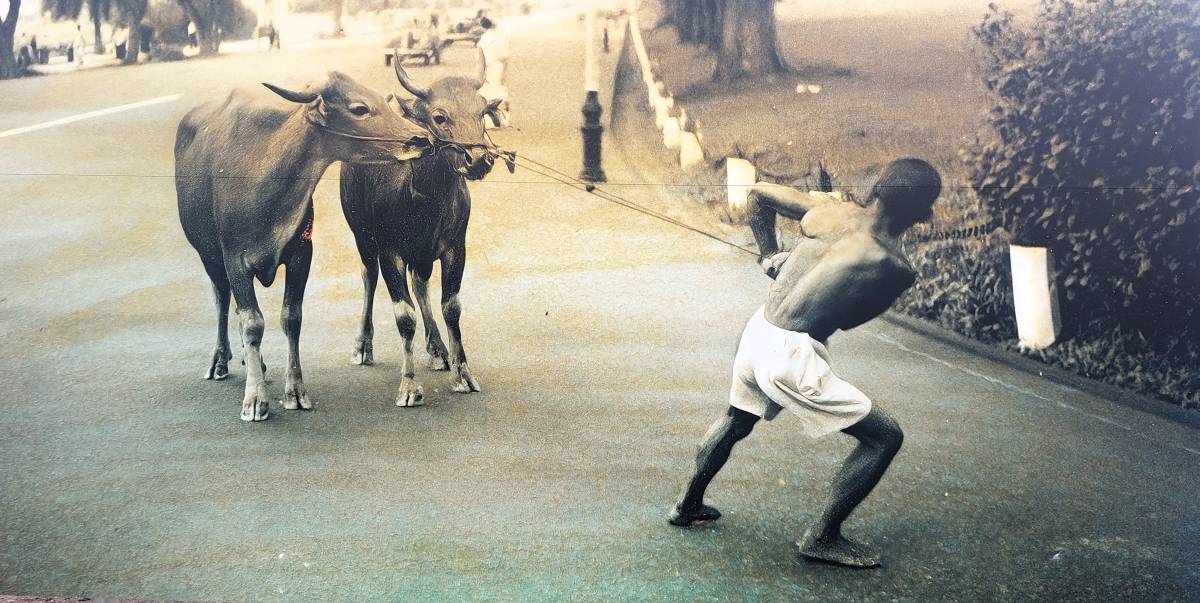
In the vacant lot there are two large photos of a fellow struggling with two reluctant cows. In 1965 Singapore decided to reduce the number of cattle roaming the street. (They don’t enhance the image of a modern city and they were a danger as they caused some traffic accidents.) If any were found wandering the streets they would be disposed of. Judith speculated that these two cows were being taken to a slaughterhouse.

And so ended a most interesting tour that, like this article, barely scratches the surface. I’ve always liked the name Moonstone Lane, and now I understand more about the area.
Check out our earlier story here:
OH! Open House
OH! Open House is an independent arts organisation that tells alternative stories of Singapore through art. Since 2009, they have provided more than 70,000 people with the unique experience of appreciating art and heritage outside of museums and galleries – from strangers’ homes to underutilised public spaces. We work with artists to present art in unconventional locations, or in surprising new ways. Through our diverse programmes, OH! creates opportunities to understand and connect with the everyday on a more meaningful level.
ORDER HERE: fcowanmedia@gmail.com : Or go to Amazon: The Orange Sofa: Unicorn Eyes: Walking Home: Singapore Circuit Breaker. Zero Visibility - The Rescue of the Thai Football Team trapped in the cave in Northern Thailand.