

How to Choose the Best Miles Card in Singapore for Your Spending Habits

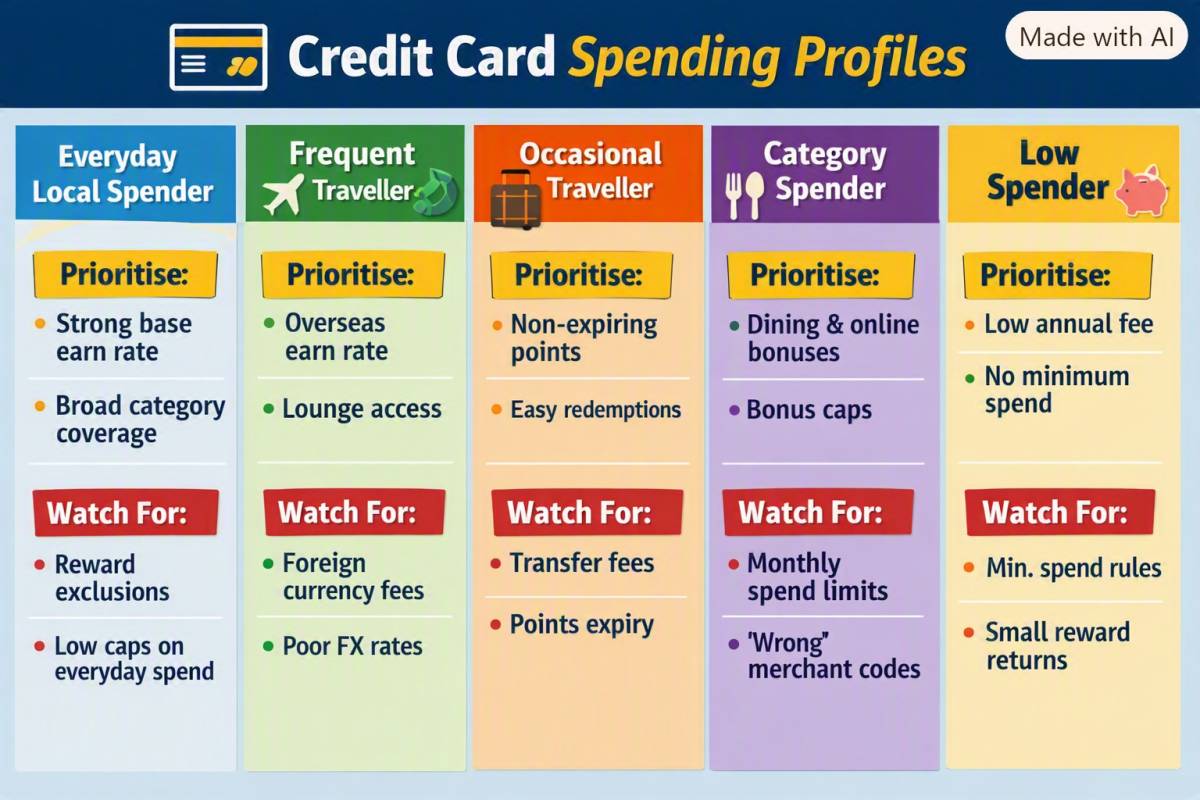
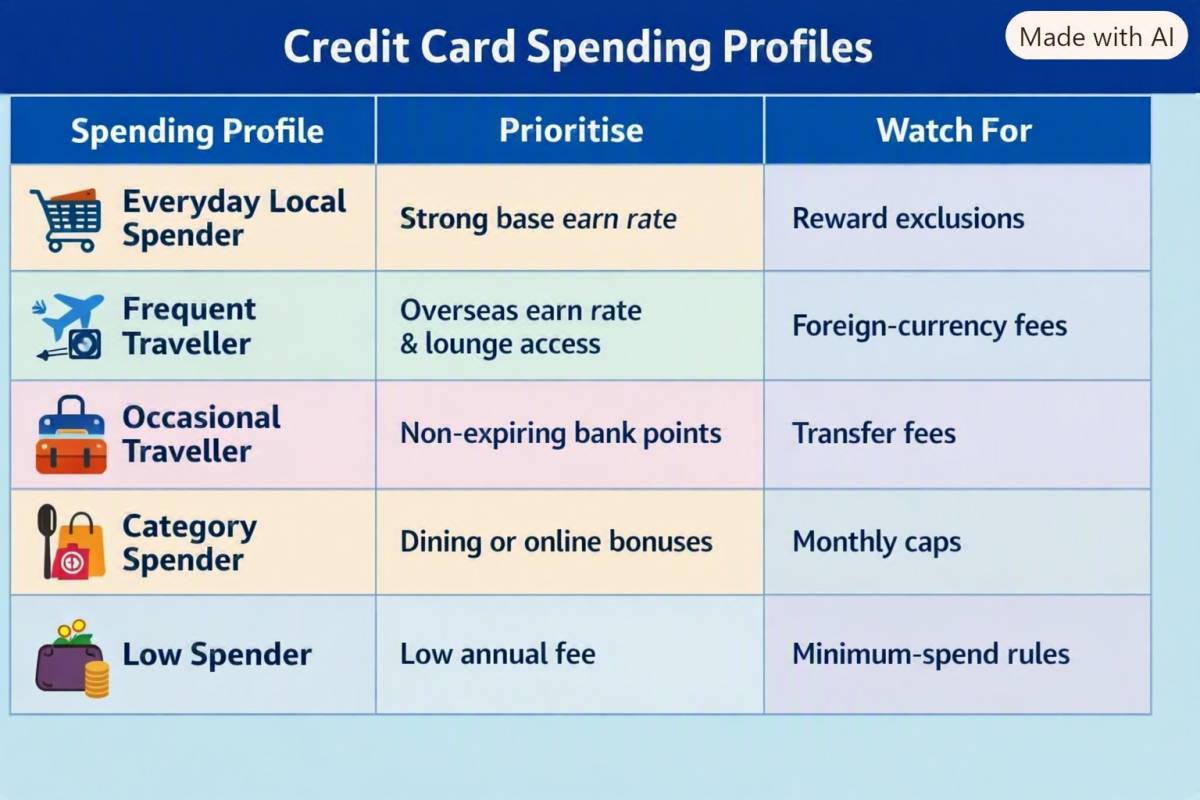
(Singapore, August 2026) Choosing the best miles card in Singapore starts with understanding how you spend, not chasing the highest reward rate. Review three to six months of transactions, then compare local and overseas spending, realistic miles earn rates, bonus caps, exclusions, annual fees, conversion charges, and points expiry.
According to MoneySense, credit card interest can reach 29% per annum, so rewards provide little value when balances are not paid in full and on time. DBS Singapore’s DBS Altitude Card offers a comparison point, with up to 1.3 miles per S$1 on local spend, up to 2.2 miles per S$1 on eligible overseas spend, and DBS Points that do not expire. The right choice should match your spending, travel goals, and repayment habits.
Quick Checklist: How to Choose a Miles Card at a Glance
To identify the best miles card in Singapore for your needs:
1. Set a clear travel or redemption goal.
2. Review three to six months of actual spending.
3, Separate local spending, overseas spending, and major purchase categories.
4, Compare realistic miles earn rates, bonus caps, and excluded transactions.
5. Check points expiry, airline transfer partners, and conversion charges.
6. Calculate the total cost, including the annual fee and foreign-currency charges.
7. Consider only travel benefits you expect to use.
8. Confirm eligibility and review the latest official terms before applying.
Use the checklist to narrow down what matters most, then match your dominant spending pattern with the miles card features below.

What to Prepare Before Comparing Miles Cards
Before comparing a miles credit card, gather enough information to assess how well each option matches your normal spending and travel plans.
● Three to six months of bank or card statements
● Estimated monthly local spending and overseas spending
● Your preferred airline or frequent-flyer programme
● Expected travel frequency and redemption goals
● Your budget for the annual fee and conversion charges
● Current product pages, fees, and terms and conditions
● A calculator or simple spreadsheet
A clear spending profile that shows which categories generate the most potential miles.
7 Steps to Choosing a Miles Card That Fits Your Spending
Step 1: Define Your Travel and Redemption Goals
Goal: Decide what you want your miles to achieve.
Consider your preferred airlines, destinations, travel frequency, and cabin class. A regional economy redemption may require a different card from a long-haul business-class goal.
Result: A target for comparing transfer partners and earn structures.
Step 2: Audit Your Actual Spending Habits
Goal: Base the comparison on real transactions.
Review three to six months of statements and group spending by:
● General local purchases
● Dining, groceries, and online shopping
● Travel and overseas transactions
● Recurring bills and other major categories
Use monthly averages to avoid distortion from an expensive period.
Result: A profile showing where most miles would come from.
Step 3: Compare Realistic Miles Earn Rates
Goal: Estimate what each card would earn from normal spending.
Separate base rates from promotional rates. Check whether higher rates require minimum spending, selected merchants, or limited campaign periods. Then calculate:
Monthly qualifying spend × applicable miles-per-dollar rate = estimated monthly miles
The best miles card Singapore has to offer is the card with the strongest realistic return on your usual local spending and overseas spending, not simply the highest advertised rate.
Result: A consistent card estimate.
Step 4: Check Exclusions, Caps, and Rounding Rules
Goal: Identify transactions that may earn fewer miles or none.
Review excluded merchant categories, bonus caps, transaction blocks, refunds, reversed payments, and mobile-wallet conditions. Fixed spending blocks can reduce the effective miles earn rate on smaller purchases.
Result: An estimate based only on qualifying transactions.
Step 5: Review Points Expiry and Transfer Options
Goal: Confirm that rewards can be converted and used in time.
Compare points expiry, airline transfer partners, conversion blocks, fees, processing times, and automatic conversion options. Bank points and airline miles should be checked separately because their expiry rules may differ.
For example, the DBS Altitude Card currently earns up to 1.3 miles per S$1 locally and up to 2.2 miles per S$1 on eligible overseas foreign-currency spending. Additionally, DBS Points earned on the card do not expire.
Result: A shortlist supporting your preferred programme.
Step 6: Calculate the Card’s Total Annual Cost
Goal: Compare rewards with every relevant charge.
Include the annual fee, conversion fees, supplementary-card fees, and foreign-currency charges. As of July 2026, DBS lists a S$196.20 principal-card annual fee and a S$27.25 fee for each manual miles conversion on the DBS Altitude Card.
Annual fees and conversion charges are not the only costs to consider. Carrying an unpaid balance can reduce or outweigh the value of the miles earned. As MoneySense explains, “if you pay your credit card bill in full and on time, you will not get charged interest.” You should therefore prioritise full repayment before comparing potential rewards.
Result: A net annual cost, not a rewards-only comparison.
Step 7: Evaluate Benefits and Confirm Eligibility
Goal: Count only benefits you are likely to use.
Check lounge access, travel insurance, discounts, income requirements, age limits, and residency criteria. Eligible DBS Altitude Visa Signature cardholders currently receive two complimentary Priority Pass visits in each 12-month membership period. DBS lists a minimum annual income of S$30,000 for Singaporeans and permanent residents aged 55 or below.
Result: One or two cards matching your spending, travel plans, and budget.
Common Mistakes When Choosing a Miles Card
Choosing the Highest Advertised Rate
A high miles earn rate may apply only to selected categories, promotional periods, or capped spending. Compare estimated earnings using your usual transactions.
Spending More Just to Earn Miles
Extra purchases can cancel out the value of rewards. Use a miles credit card only for planned spending, and repay the balance in full.
Ignoring Transfer Fees and Expiry Rules
Check conversion charges, transfer blocks, processing times, and points expiry before applying. Bank points and airline miles may follow different rules.
Overvaluing Travel Benefits
Airport lounge visits, insurance, and discounts have value only when you expect to use them.
Frequently Asked Questions
What is a good miles-per-dollar rate in Singapore?
A suitable miles earn rate depends on whether it applies to general, local, overseas, or bonus-category spending. Check caps, exclusions, and minimum-spend conditions before comparing headline rates.
Should I choose a general-spending or specialised miles card?
A general-spending card offers simpler rewards across everyday purchases. A specialised card may earn more on selected categories, but often requires closer management.
Do credit card miles expire?
Expiry rules vary between bank points and airline miles. For example, DBS Points earned through DBS Altitude Card do not expire.
Is a miles card worth an annual fee?
It may be worthwhile when the realistic value of miles and used benefits exceeds the annual fee, transfer charges, and other costs.
How many miles cards should I have?
Start with one card covering most normal spending. Add another only when it serves a clear category and does not encourage unnecessary purchases.
Choose a Miles Card That Fits the Way You Spend
The best miles card in Singapore should reward your usual spending, support your preferred travel goals, and offer fees and benefits that make sense for your budget. Compare realistic earn rates, exclusions, transfer rules, and total annual costs before deciding.
Explore the latest features, eligibility requirements, fees, and terms of the DBS Altitude Card to see whether it suits your spending habits.

ORDER HERE: fcowanmedia@gmail.com : Or go to Amazon: The Orange Sofa: Unicorn Eyes: Walking Home: Singapore Circuit Breaker. Zero Visibility - The Rescue of the Thai Football Team trapped in the cave in Northern Thailand